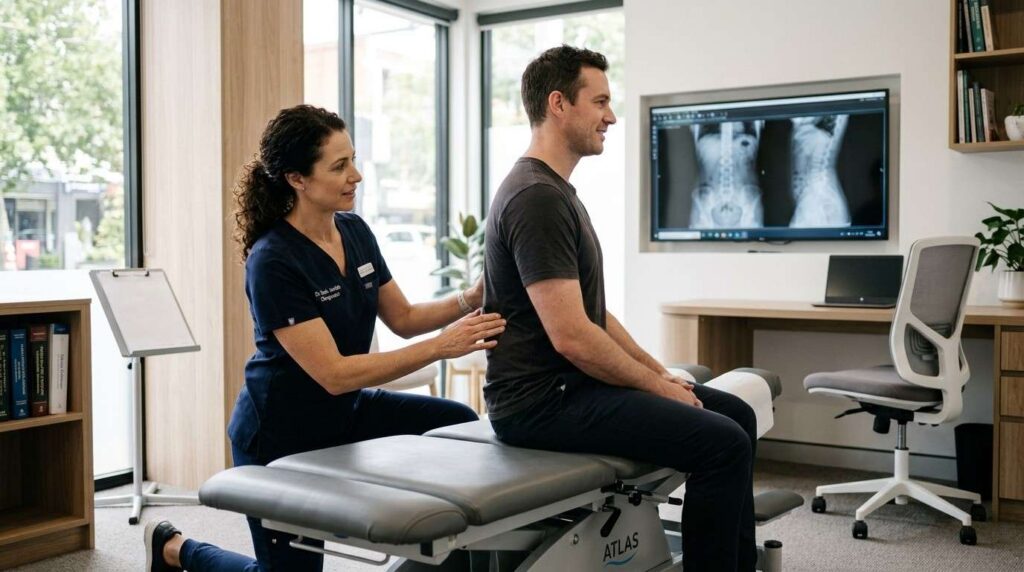
Most neurologists view chiropractors as useful partners for specific musculoskeletal conditions, particularly mechanical lower back pain, tension headaches, and certain neck complaints. Opinions vary based on training, evidence familiarity, and patient outcomes, but the modern neurology field increasingly recognises evidence-based chiropractic care as a valid component of conservative spinal management. Concerns remain around high-velocity cervical manipulation, scope boundaries, and the importance of accurate neurological screening before any spinal treatment begins.
The Neurologist’s Professional View on Chiropractic Care
Neurologists generally accept chiropractic care for mechanical spinal pain when delivered by qualified, evidence-based practitioners. They value chiropractors who screen for red flags, refer appropriately, and avoid overstating treatment claims. Concerns typically focus on aggressive cervical manipulation and treatment of conditions outside musculoskeletal scope.Most neurologists distinguish between two types of chiropractic practice. The first applies conservative, research-supported techniques for back pain, neck stiffness, and posture-related dysfunction. The second relies on broader claims that extend beyond spinal mechanics. Neurologists support the first and remain cautious about the second.
Where Neurologists and Chiropractors Agree
Both professions agree that mechanical lower back pain, cervicogenic headaches, and posture-related dysfunction respond well to manual therapy, mobilisation, and structured rehabilitation. Clinical guidelines from theAmerican College of Physicians recommend spinal manipulation as a first-line option for acute lower back pain. Neurologists also recognise that early conservative care often reduces the need for imaging, opioids, or surgical referral, which aligns directly with the chiropractic model.
Where Neurologists Express Caution
Caution centres on three areas. First, high-velocity upper cervical manipulation carries a rare but documented association with vertebral artery injury. Second, treating non-musculoskeletal conditions such as epilepsy or true migraine falls outside chiropractic scope. Third, delayed referral when red flags appear, such as progressive weakness, numbness, or bowel changes, concerns neurologists most. Skilled chiropractors screen for these signs and refer promptly when neurological involvement is suspected.Professional agreement defines the boundary. The deeper question is how that boundary applies to the musculoskeletal conditions chiropractors treat every day in clinical practice.
When Neurologists Refer Patients to Chiropractors
Neurologists commonly refer patients with mechanical spinal pain, chronic tension-type headaches, postural strain, and certain radiculopathies once serious pathology has been excluded. These referrals reflect a shared goal: restore function, reduce pain, and avoid unnecessary escalation. The decision usually follows imaging, neurological examination, or failed pharmacological management.
Common Conditions Co-Managed by Both Professions
Co-management works best for conditions with a clear mechanical driver. Lumbar facet syndrome, cervicogenic headache, thoracic stiffness, and post-injury rehabilitation often involve both specialists. Mild to moderate sciatica and nerve pain care is another shared area, particularly when imaging confirms a disc bulge without progressive neurological deficit.In these cases, the neurologist confirms the diagnosis, monitors neurological status, and the chiropractor delivers manual therapy, rehabilitation, and posture correction. Studies suggest combined care reduces recovery time for chronic mechanical pain compared to passive treatment alone.
How to Choose Safe, Evidence-Based Chiropractic Care
Choosing the right chiropractor matters more than choosing chiropractic itself. Look for practitioners who conduct thorough history-taking, perform neurological screening, explain findings clearly, and integrate exercise rehabilitation rather than relying on adjustments alone. A trustworthy clinic communicates openly with other healthcare providers and refers when symptoms suggest pathology beyond mechanical pain.Safety also depends on technique selection. Safe neck adjustment practices prioritise low-force mobilisation for higher-risk patients, particularly those with vascular concerns, hypermobility, or migraine history. Evidence-based clinics document consent, screen for contraindications, and adjust technique to individual presentation.
Conclusion
Most neurologists respect evidence-based chiropractors who manage mechanical spinal pain, screen carefully, and refer when neurological signs appear. Disagreement narrows when both professions share research-driven standards.For Sydney patients, this collaboration means safer, faster recovery from back pain, neck pain, and posture-related dysfunction, supported by clear communication between professionals across the care pathway.At Spine and Posture Care Chiropractor Sydney, we deliver evidence-based assessments and personalised treatment plans. Book your consultation today and move forward with confidence.
Frequently Asked Questions
Do neurologists recommend chiropractors for back pain?
Many neurologists recommend chiropractic care for mechanical lower back pain, especially when imaging shows no red flags and conservative treatment is the appropriate first step.
Is chiropractic care safe for the neck?
Neck care is safe when performed by qualified practitioners using appropriate screening, low-force techniques when indicated, and clear consent. High-risk patients receive modified, gentler approaches.
Can chiropractors treat nerve-related conditions?
Chiropractors treat mechanical nerve compression like sciatica or cervical radiculopathy. True neurological diseases such as epilepsy or multiple sclerosis require specialist neurology care, not spinal manipulation.
When should I see a neurologist instead of a chiropractor?
See a neurologist for progressive weakness, numbness, balance loss, seizures, severe headaches with neurological signs, or bowel and bladder changes. These symptoms require urgent specialist assessment.
Do neurologists and chiropractors work together?
Yes. Co-management is increasingly common for chronic mechanical pain, post-injury rehabilitation, and cervicogenic headache, with neurologists handling diagnosis and chiropractors providing manual and rehabilitative care.