Lower Back Pain Treatment In Sydney | Fast Relief & Improved Mobility
Spine and Posture Care provides lower back pain treatment in Sydney focused on identifying the real cause of ongoing pain through detailed assessment of spinal mechanics, posture, nerve function, and movement. No guessing. No generic treatment plans.
Our Associations




Common Spine Conditions: What Is Lower Back Pain?
Lower back pain is discomfort, stiffness, or sharp pain felt anywhere from the base of the ribcage to the top of the buttocks. It can stay local or radiate into the hips, gluteal muscles, or legs, depending on the structure involved.
Around 60-80% of people experience at least one significant episode of lower back pain in their lifetime. For many, it becomes recurrent, with episodes becoming more frequent or taking longer to settle without a structured plan.
Clinically, lower back pain is classified in two ways:
- Acute lower back pain — pain lasting fewer than 12 weeks. Most acute cases resolve with appropriate care and continued movement within two to six weeks.
- Chronic lower back pain — pain lasting 12 weeks or more. Approximately 23% of acute cases transition to chronic, often because the underlying cause was not properly identified or addressed.

How Our Chiropractic Care Helps Lower Back Pain
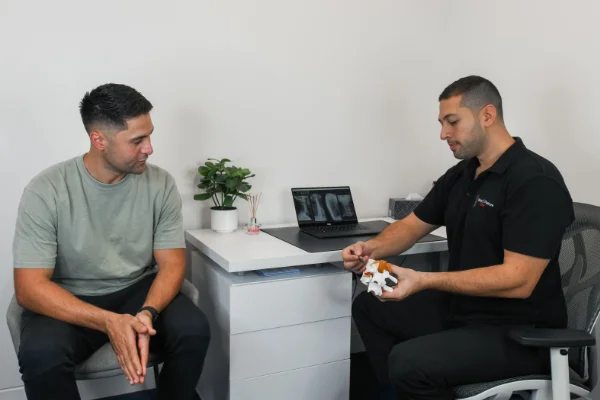
Spine and Posture Care uses a structured assessment-to-treatment approach for lower back pain. Rather than applying the same techniques to every patient, care is guided by clinical findings from the initial examination.
Our experienced chiropractors in Sydney identify the underlying cause of lower back pain and provide targeted treatment, muscle therapy, and rehabilitation to relieve pain, restore movement, and help prevent it from returning.
We focus on personalised care designed around your posture, movement, and daily activities for long-term recovery.

Comprehensive Spinal Assessment
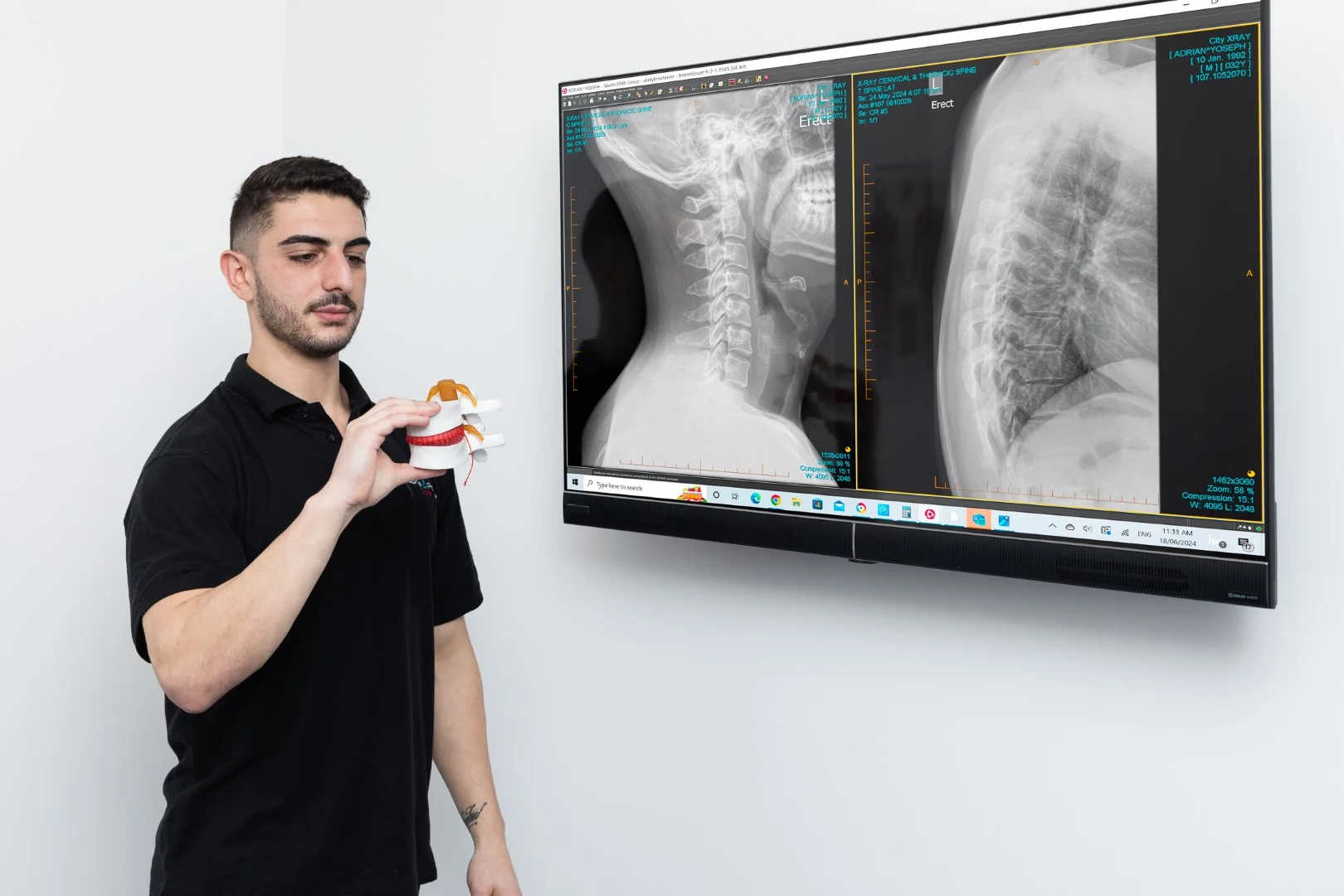
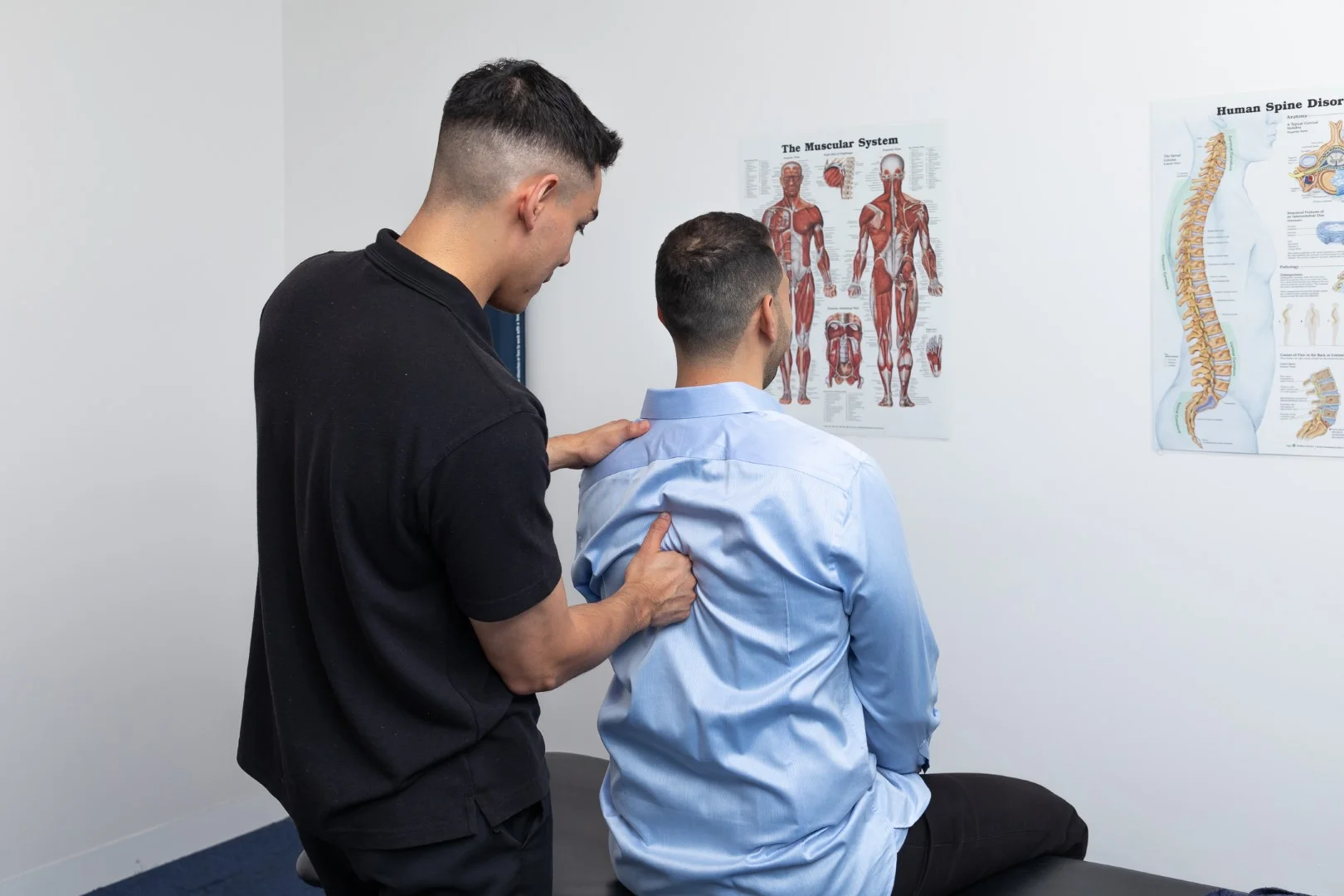
Every treatment plan begins with a detailed spinal, postural, neurological, and movement assessment to identify the exact cause of lower back pain before care starts.

Hands-On Pain Relief Therapy
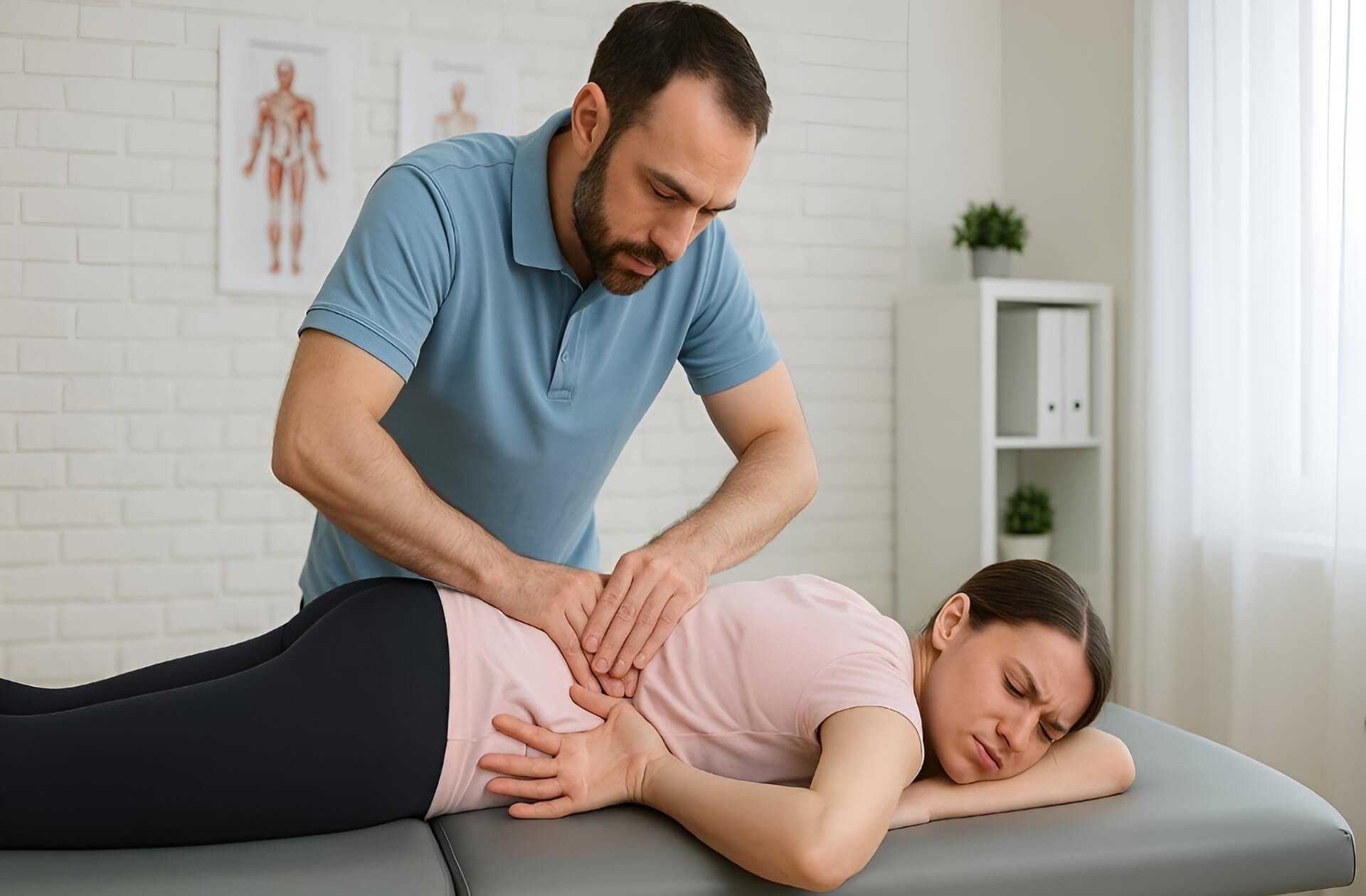
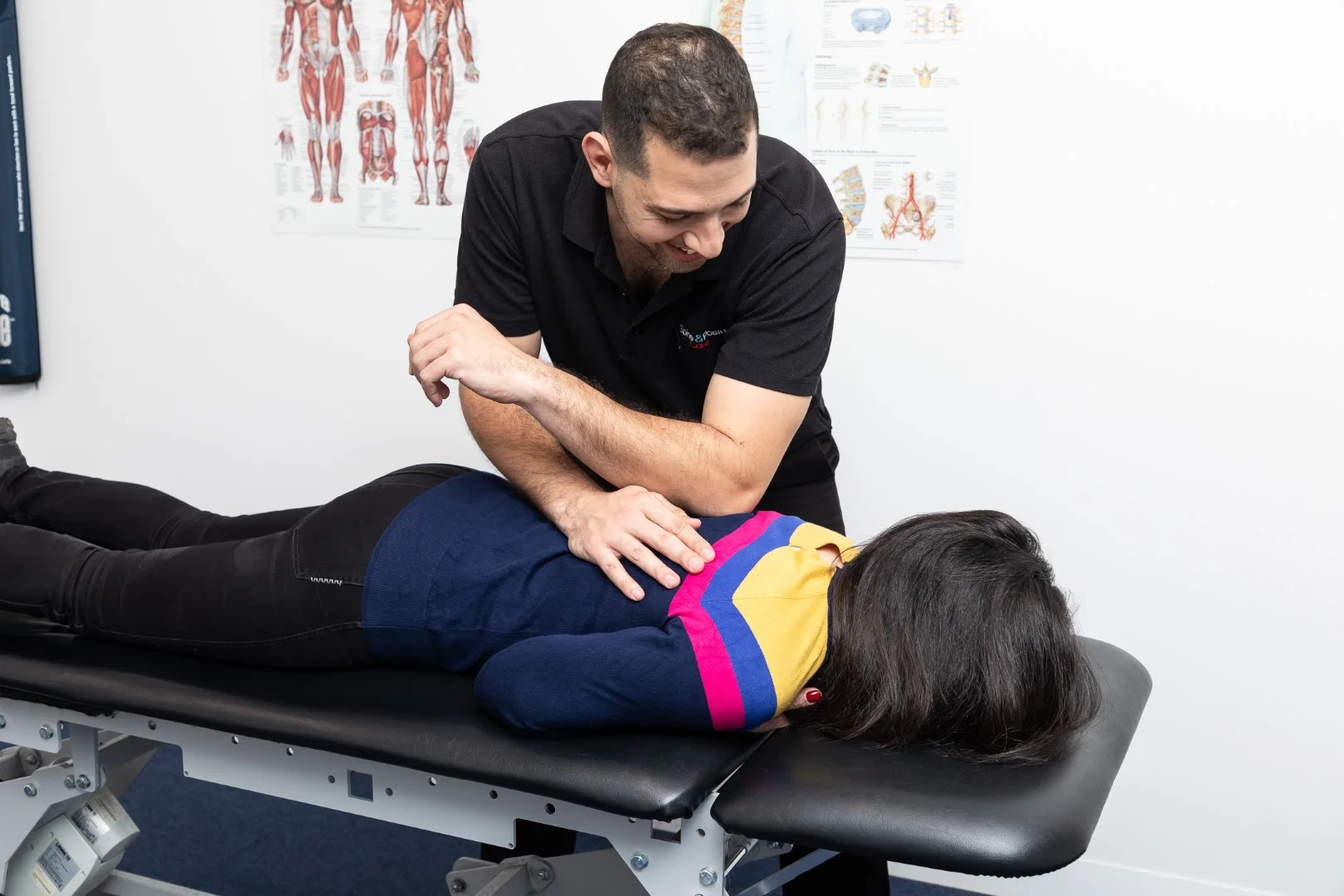
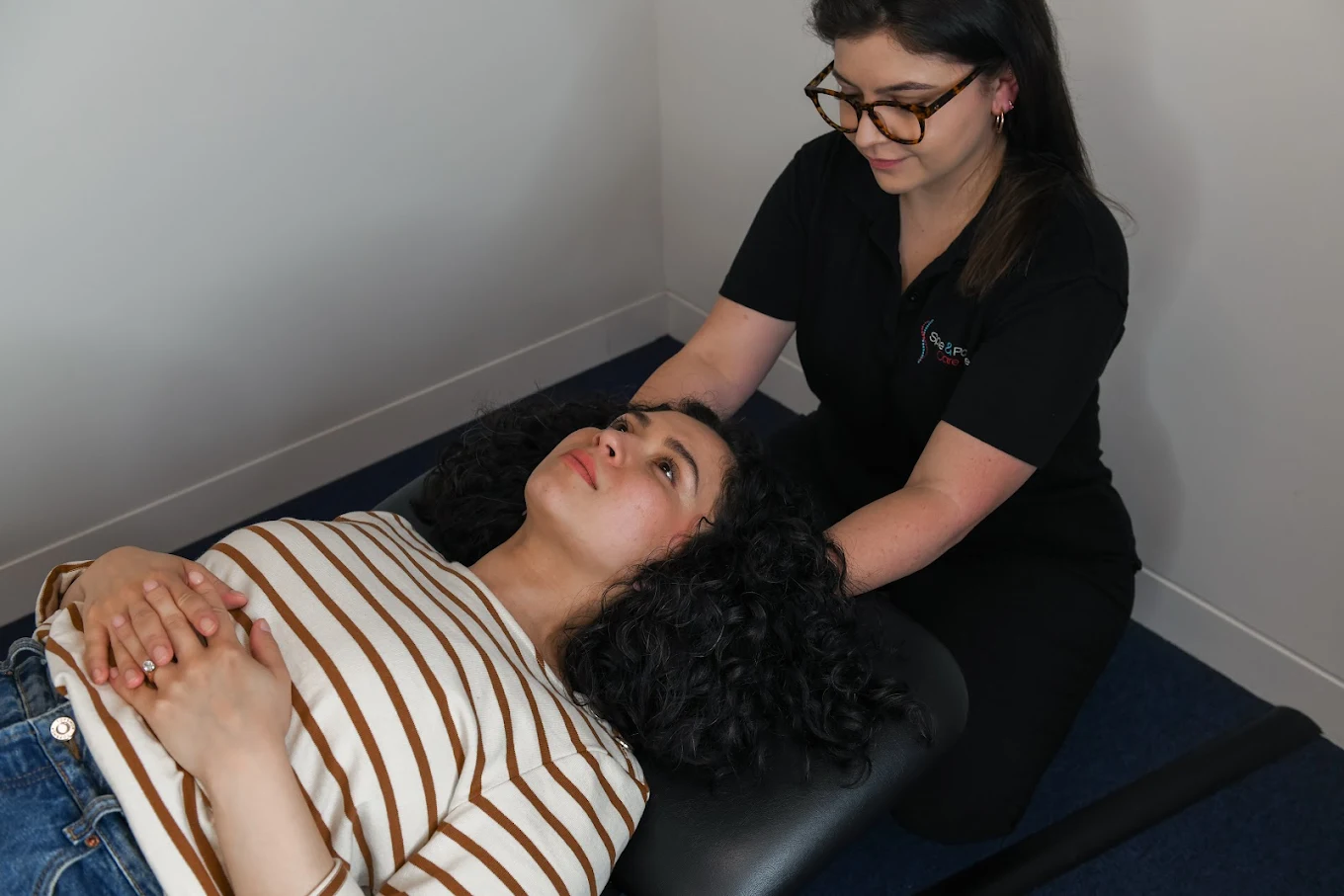
Treatment may include spinal manipulation, spinal mobilisation, dry needling, and soft tissue therapy to reduce pain, improve movement, and relieve muscle tension safely.

Personalised Rehabilitation & Recovery
Targeted rehabilitation exercises help strengthen the lower back and pelvis for long-term recovery, with practical guidance tailored to daily life and movement habits.
Types of lower back pain conditions we treat
Lower back pain is rarely a single diagnosis. The term covers a range of specific conditions, each with different mechanisms and appropriate treatment approaches.
Lumbar facet joint irritation
Sydney office workers who sit for long hours often develop facet joint irritation as the small vertebral joints compress without adequate movement. Our practitioners identify the affected spinal levels, restore joint movement, and reduce the daily stiffness that makes mornings and desk sessions uncomfortable.
- Produces localised stiffness, tenderness, and limited rotation
- Common in office workers with prolonged static posture
- Often worse on waking or after long periods of sitting
Intervertebral disc herniation and bulging disc
A herniated or bulging disc occurs when the disc’s inner material pushes outward and presses on nearby nerve roots, often sending pain, tingling, or weakness down through the leg. Our chiropractors locate the affected disc level, decompress the irritated nerve root, and restore full movement through your working day.
- Often involves the L4-L5 and L5-S1 spinal levels
- Can trigger pain, tingling, or weakness into the buttock or leg
- Assessment confirms which disc level is involved before treatment begins
Sacroiliac (SI) joint dysfunction
The sacroiliac joints connect the spine to the pelvis, and dysfunction here causes a deep, one-sided ache that worsens with transitions like standing from a chair or shifting weight. Our registered practitioners assess the SI joints directly and restore joint mechanics so each movement feels controlled and predictable.
- Causes deep, one-sided lower back or buttock pain
- Often aggravated by transitions such as standing from sitting
- Commonly missed when only the lumbar spine is assessed
Lumbar radiculopathy and nerve root compression
Compression of a lumbar nerve root sends pain, tingling, numbness, or weakness down the leg and into the foot, making it difficult to concentrate through a full workday. We run neurological testing, identify the exact nerve level involved, and direct treatment at the compressed root to resolve the leg symptoms.
- Pain, numbness, or tingling radiates into the leg or foot
- Weakness in the leg or altered reflexes may accompany pain
- Neurological testing at assessment confirms the affected level
Muscle and soft tissue strain
A sudden twist, heavy lifting, or months of cumulative desk posture can strain the lower back muscles and ligaments, producing sharp pain and muscle guarding that limits normal movement. Our team reduces acute muscle tension, restores normal movement, and corrects the habits that let the same strain keep returning.
- Common after heavy lifting, sudden twisting, or sustained poor posture
- Resolves faster than structural conditions with appropriate care
- Recurrence is reduced by correcting movement patterns alongside treatment
Book Your Lower Back Pain Assessment In Sydney
Lower back pain is one of the most treatable musculoskeletal conditions when the cause is identified accurately. Spine and Posture Care offers a structured new patient assessment that gives you a clear picture of what is driving your pain and an honest plan for addressing it.
Experienced Sydney Chiropractors Focused on Lasting Results
Since 2013, Spine and Posture Care has supported Sydney patients dealing with disc injuries, chronic back pain, spinal conditions, and posture-related issues. Our approach focuses on identifying why pain continues to return, not just where symptoms appear. By addressing the underlying cause, we help patients achieve longer-lasting results and better spinal function.
The clinic is led by Dr Mark El-Hayek, Head Chiropractor and owner, whose expertise in spinal rehabilitation helps shape the direction of patient care. Alongside him, Dr Mitchell Taylor, Dr Harrison Nicolaou, Dr Leonardo Abboud, and Dr Zack Mesavage bring extensive experience in spinal mechanics, disc-related treatment, and evidence-based chiropractic care.
Clinic operations are managed by Luisa Zampogna, who oversees the Sydney CBD and Barangaroo locations with a focus on patient support, organisation, and a seamless clinical experience. From your first consultation to ongoing care, every step is designed to make your assessment and recovery process straightforward and personalised.

Understanding Lower Back Pain Risks and Warning Signs
Lower back pain commonly affects adults with prolonged sitting, poor posture, repetitive lifting, weak core muscles, previous injuries, or limited physical activity. Stress, poor sleep, and spinal strain can also increase the risk of recurring pain and reduced movement.
Some symptoms require urgent medical attention rather than routine chiropractic care. Seek immediate assessment if lower back pain occurs with bladder or bowel changes, groin numbness, severe leg weakness, fever, unexplained weight loss, or after a serious fall or accident.
Common Lower Back Pain Risk Factors
- Prolonged sitting and poor posture
- Heavy or repetitive lifting
- Weak core and hip stability
- Previous back injuries or disc problems
Why Lower Back Pain Becomes More Common During Perimenopause
Lower back pain is a common but often overlooked symptom during perimenopause. Hormonal changes, particularly declining oestrogen levels, can affect bone density, ligament support, and joint stability throughout the spine and pelvis. These changes may increase strain on the lower back and contribute to stiffness, discomfort, and recurring pain.
Perimenopause can also affect sleep quality, stress levels, and the nervous system’s sensitivity to pain, making lower back symptoms feel more persistent or unpredictable. A thorough clinical assessment that considers hormonal changes, spinal mechanics, and overall movement patterns can help identify the contributing factors and guide more personalised care.
How Perimenopause Can Affect Lower Back Pain
- Reduced oestrogen may affect ligament and joint stability
- Changes in bone density can increase spinal loading stress
- Poor sleep and stress may heighten pain sensitivity
- Symptoms may fluctuate alongside hormonal changes

How Long Does Lower Back Pain Take to Heal Naturally?
Acute lower back pain, which lasts less than 12 weeks, often improves within two to six weeks with proper treatment, guided movement, and reduced spinal strain. Many patients notice meaningful pain relief and improved movement within the first few chiropractic sessions.
Chronic lower back pain usually requires a longer recovery process because factors such as posture, work habits, muscle weakness, and movement patterns also need to be addressed. Identifying the true cause early and following a structured treatment plan can lead to more stable, long-term improvement.
Factors That Can Affect Recovery Time
- How long the pain has been present
- The underlying cause of the pain
- Daily posture and movement habits
- Consistency with treatment and rehabilitation

How to Prevent Lower Back Pain From Returning
Preventing recurring lower back pain starts with improving the daily habits and movement patterns that place stress on the spine. Poor posture, prolonged sitting, weak core stability, and incorrect lifting techniques can all increase the risk of repeated flare-ups and ongoing stiffness.
Long-term prevention also involves maintaining regular movement, improving sleep quality, and supporting spinal stability through consistent low-impact exercise. At Spine and Posture Care, preventive guidance is included as part of every lower back pain treatment plan to help reduce future episodes and support lasting recovery.
Ways to Reduce the Risk of Recurring Lower Back Pain
- Maintain proper desk posture and lumbar support
- Take regular movement breaks during prolonged sitting
- Strengthen the core and hip stabilising muscles
- Use safe lifting techniques and improve sleep posture
Understanding the Truth Behind Lower Back Pain Myths
You need to rest completely
Complete bed rest is no longer recommended for most lower back pain. Staying as active as tolerable within the limits of pain promotes faster recovery and reduces the risk of the pain becoming chronic. Controlled, guided movement is part of good care, not a risk to it.
An MRI will show exactly what is wrong
Research shows that around 40% of adults without any back pain have disc bulges visible on MRI scans. Imaging findings do not always match the clinical picture. A structural change visible on a scan may not be the cause of your pain, and some of the most significant pain presentations can occur with minimal imaging findings. Assessment of how the spine moves and loads is often more informative than a scan alone.
Back pain always means something is seriously wrong
The large majority of lower back pain cases are mechanical in nature, meaning they relate to how the spine is loaded and moving rather than to serious disease or structural failure. A proper assessment can distinguish mechanical pain from the small percentage of presentations that require medical referral.
You just have to live with it
Chronic lower back pain does not have to be permanent. With a structured assessment and a plan that addresses the actual cause, most patients see meaningful improvement. Many have spent years managing symptoms without ever identifying what was driving them.
Our Personalised Approach to Lower Back Pain Treatment In Sydney
Your first visit begins with a discussion about your lower back pain, daily activities, posture, work habits, and injury history to understand what may be contributing to the problem.
We assess your posture, spinal mobility, muscle tension, nerve function, and movement patterns to identify the exact structures causing pain and restriction.
Once the source of your lower back pain is identified, our chiropractors explain the findings clearly and create a personalised treatment plan built around your condition and recovery goals.
Treatment may include spinal therapy, muscle work, mobility care, and rehabilitation exercises designed to reduce pain, improve movement, and help prevent future flare-ups.
Why Choose Spine and Posture Care for Lower Back Pain Treatment
Find the Real Cause First
Effective treatment starts with an accurate diagnosis. Every patient receives a detailed clinical assessment to identify the underlying cause of lower back pain before any treatment begins. This allows care to be tailored to your condition instead of using a one-size-fits-all approach.
Focused on Long-Term Relief
Our approach targets the source of recurring lower back pain, not just temporary symptom relief, helping patients achieve more stable and lasting results. The goal is to reduce future flare-ups and improve long-term spinal health.
Trackable Progress at Every Stage
Your recovery is monitored from the beginning, so you can clearly see improvements in pain, movement, posture, and daily function throughout your care plan. Clear benchmarks help ensure your treatment continues moving in the right direction.
Evidence-Based Treatment Approach
We assess, treat, and re-evaluate throughout the recovery process to ensure each stage of care is producing measurable improvement, not guesswork. Treatment decisions are based on clinical findings and how your body responds over time.
Restore Movement and Daily Function
The goal is to help you move comfortably again by improving spinal function, reducing pain, and supporting a return to normal work, exercise, and everyday activities. Our chiropractors focus on helping you regain confidence in daily movement without ongoing discomfort.

Our Patients Reviews
EXCELLENTTrustindex verifies that the original source of the review is Google. It was only when I started seeing Dr Harrison for my chronic shoulder and back pain that I started feeling results that really made a difference. His diagnosis was very methodical and approach scientific that he was able to pinpoint the root cause of the pain. Through regular chiropractic adjustments, the pain started to ease up and have also greatly improved my posture. I am now pain free after such a long time with a much better posture as compared to before.Posted onTrustindex verifies that the original source of the review is Google. I’ve been seeing Dr. Zack for a while now, and I can honestly say he’s one of the good chiropractors I’ve come across. He’s not only knowledgeable and professional, but also genuinely cares about his patients’ well-being. From the first visit, he took the time to listen, understand my concerns, and explain everything clearly. Each session has made a noticeable difference in how I feel — less pain, better posture, and more mobility. What I appreciate most is that he doesn’t rush through appointments and always makes sure I’m comfortable and informed. Highly recommend Dr. Zack.Posted onTrustindex verifies that the original source of the review is Google. ★★★★★ Exceptional Care with Dr. Leonardo at Spine and Posture Care - Truly Life-Changing! I cannot recommend Dr. Leonardo and Spine and Posture Care on Macquarie St highly enough – his expertise has been absolutely life-changing for me! From the moment I walked in with my chronic neck stiffness, Dr. Leonardo demonstrated an incredible depth of knowledge, compassion, and a genuine commitment to my well-being, thoroughly explaining my condition and tailoring an incredibly effective treatment plan. His precise adjustments, combined with invaluable advice on spinal health and posture, have led to a remarkable and lasting improvement in my neck mobility and overall comfort, allowing me to return to activities I thought were impossible. If you're searching for a top-tier chiropractor in Sydney who delivers tangible, lasting results and truly cares, Dr. Leonardo is simply the best – a five-star experience from start to finish!Posted onTrustindex verifies that the original source of the review is Google. If I could I would rate it 10/5. The job that they’re doing is amazing and you can see the changes so quickly. I’m feeling so much better after a few weeks of treatment. Thanks to everyone but particularly to Dr Mark and Dr LeoPosted onTrustindex verifies that the original source of the review is Google. Leonardo help restore my hip and spine movement. Thank you 🙏🏼Posted onTrustindex verifies that the original source of the review is Google. I’ve been dealing with sciatic nerve pain in my leg on and off for many years. Leo has finally found the root cause, and I’m now well on my way to a permanent solution. Happy customer!Posted onTrustindex verifies that the original source of the review is Google. Leo at Spine and Posture Care is amazing! I came in with severe neck and shoulder pain, and within a few sessions, I felt so much relief. The clinic is clean, welcoming, and runs on time. Leo’s approach is gentle yet effective, and he listens carefully to your concerns. I wouldn’t trust anyone else with my spine health.Posted onTrustindex verifies that the original source of the review is Google. Dr. Zack at Barangaroo Spine and Posture care is the best chiropractor I have ever had, definitely knows what he is doing!Posted onTrustindex verifies that the original source of the review is Google. I have been seeing Zack Mesevage and Mark El-Hayek for the past several weeks and I have complete confidence in their work. They have been adjusting my back and neck to improve my posture and neck pain. It is working and they are extremely competent. Both also very friendly and crystal clear in their explanations.Posted onTrustindex verifies that the original source of the review is Google. Highly recommend this. I've been getting treated by Zac and Mark. The pain in my back (Neck, shoulder and lower back) is gone, and my posture has improved. Great chiropractors!Verified by TrustindexTrustindex verified badge is the Universal Symbol of Trust. Only the greatest companies can get the verified badge who has a review score above 4.5, based on customer reviews over the past 12 months. Read more
Start Your Lower Back Pain Recovery Today
Persistent lower back pain can affect the way you work, sleep, move, and live each day. Spine and Posture Care provides detailed assessments and personalised chiropractic treatment designed to identify the cause of pain, restore movement, and support long-term recovery. Book your lower back pain assessment with our experienced Sydney chiropractors and take the first step toward lasting relief and better spinal health.

Business Hours
- Monday – Friday > 7:00 am – 7:00 pm
- Saturday > 9:00 am – 1:00 pm
- Sunday > Close
About Sydney, NSW
Sydney, NSW is Australia’s largest and most populated city, home to more than five million residents across its coastal suburbs, business districts, and growing metropolitan areas. From the Sydney CBD and North Shore to Parramatta and the Inner West, the city’s fast-paced lifestyle shapes how people work, travel, and move every day. The city’s mix of office-based and physically demanding industries places ongoing pressure on spinal health for many residents.
Long office hours, extended commuting, physically demanding jobs, and sedentary routines all contribute to increasing rates of lower back pain across Sydney. Combined with poor posture, repetitive movement, and reduced physical activity, these daily demands can place ongoing stress on the spine and surrounding muscles. This makes professional lower back pain treatment and preventive spinal care increasingly important for people living and working across Sydney.
Frequently Asked Questions
The healing time for lower back pain depends on whether it is acute or chronic, what is causing it, and how long it has been there. In many acute cases, meaning pain that has been present for less than 12 weeks, symptoms may improve within two to six weeks with the right care, movement, and activity modification. Chronic lower back pain can take longer to settle, especially if it has been building up over time or keeps returning.
What makes the biggest difference is getting the right diagnosis early. If the actual cause of the pain is identified from the beginning and treatment also addresses factors like posture, work habits, and movement patterns, recovery is usually more effective and more durable.
For mechanical and musculoskeletal lower back pain, chiropractic care is generally considered a safe and evidence-supported option when it is provided by a registered practitioner. At Spine and Posture Care, all chiropractors are registered with AHPRA, and every new patient receives a full clinical assessment before treatment begins.
That assessment matters because it helps confirm whether chiropractic care is the right approach for your specific type of lower back pain. It also ensures that treatment is matched to your presentation rather than applied in a one-size-fits-all way.
Both chiropractors and physiotherapists can help with lower back pain, but they often approach it differently. Chiropractors usually focus more on spinal mechanics, joint dysfunction, movement restrictions, and possible nerve involvement, while physiotherapists often place more emphasis on exercise, rehabilitation, and long-term strengthening.
If your pain seems strongly linked to the spine itself, such as facet joint irritation, disc-related pain, or sacroiliac joint dysfunction, chiropractic care may be a good starting point. In some cases, both approaches can work well together depending on your symptoms, goals, and the stage of recovery.
A chiropractor begins by assessing your spine, pelvis, movement, posture, and nervous system to understand what is driving the pain. This is important because lower back pain can come from different structures, and the treatment plan should reflect that instead of guessing.
Treatment may include spinal manipulation, mobilisation, dry needling, soft tissue therapy, and guided rehabilitation exercises. The exact care plan depends on your findings, your pain level, and how your body responds during the assessment and treatment process.
The number of sessions needed depends on how severe the pain is, how long it has been present, and whether the condition is simple or more complex. Some acute cases improve within three to six appointments, while longer-term or recurring lower back pain may need a more structured plan.
At your first appointment, the chiropractor should explain what to expect based on your assessment. That gives you a clearer idea of the likely recovery timeline and how treatment will progress over time.
The cost of chiropractic care can vary depending on the clinic, the type of appointment, and whether you are booking a new patient assessment or follow-up care. At Spine and Posture Care, new patient assessment options are available for lower back pain, and most major private health insurance funds can be processed on the spot through HICAPS.
For the most accurate and current pricing, it is best to check the clinic’s pricing page, since offers and package details can change.
Yes, lower back pain can return, especially if the underlying causes are not addressed. Things like poor posture, prolonged sitting, weak core support, repetitive lifting, and poor workstation setup can all contribute to flare-ups if they continue after treatment.
That is why preventive advice is usually part of a good care plan. At Spine and Posture Care, the focus is not only on helping you feel better now, but also on reducing the chance of the same problem returning later.
No, you do not need a GP referral to book a chiropractor for lower back pain. You can make a direct appointment for a new patient assessment, and the chiropractor will carry out a full clinical examination at the first visit.
If chiropractic care is appropriate, treatment can begin. If another type of care or referral is more suitable, the chiropractor should let you know and guide you toward the next best step.