
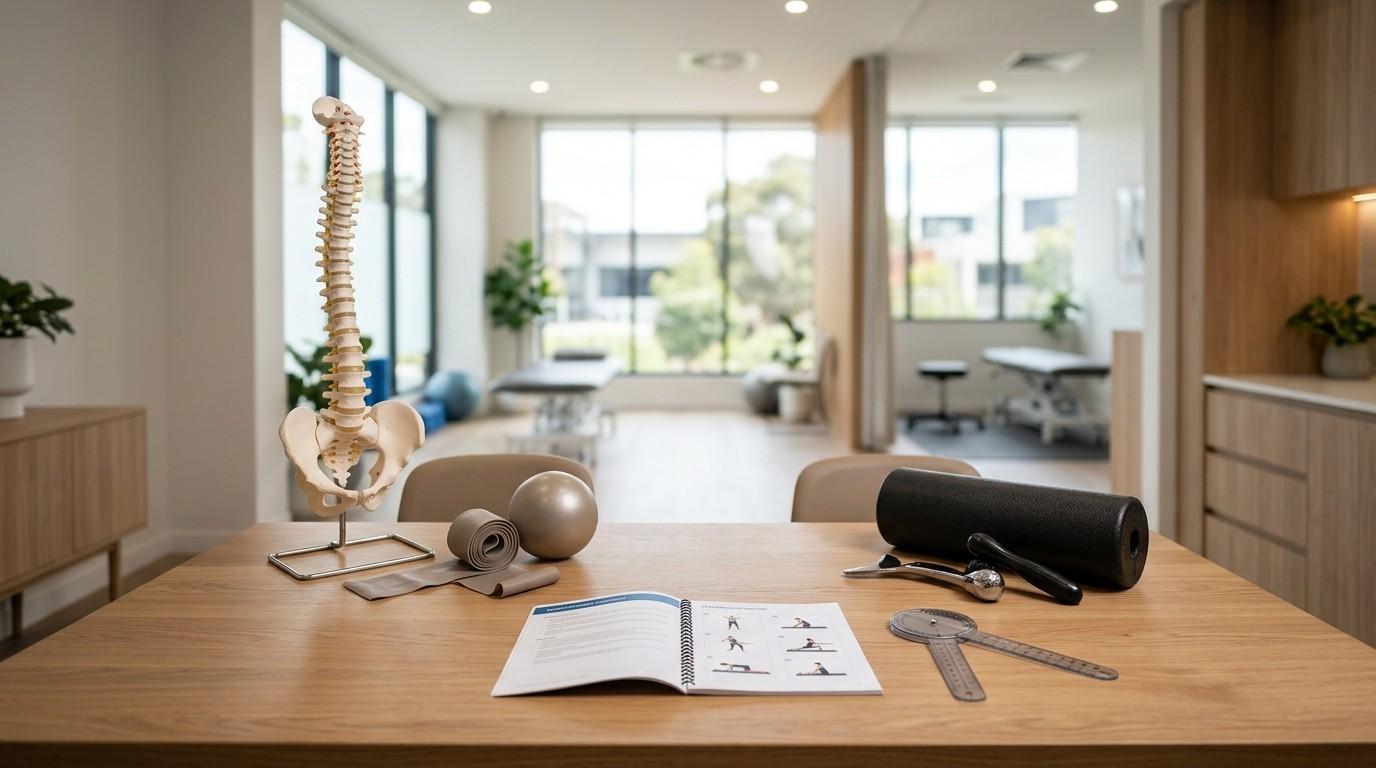
 There are several effective options when you need pain relief or spinal care but are not ready to see a chiropractor physiotherapy, targeted self-care, remedial massage, osteopathy, and exercise physiology all address the same musculoskeletal complaints through different but equally legitimate pathways. The right choice depends on your specific symptoms, how long you have had them, and what your body actually needs right now.
Pain does not wait for the perfect appointment. Understanding your options means you act faster and smarter.
I want to walk you through each alternative clearly what it does, who it suits, and when it is genuinely useful so you can make a confident, informed decision about your care.
People avoid or delay chiropractic visits for all kinds of reasons. Cost is a big one. Access is another not every suburb has a clinic nearby, and wait times vary. Some people have had a previous experience that did not meet their expectations. Others simply want to explore their options before committing to any one practitioner.
None of those reasons are wrong. They are practical.
Out-of-pocket costs for musculoskeletal care add up quickly, especially without private health cover. Many people start with self-care or a GP referral to a physiotherapist because those pathways feel more familiar or more affordable. That is a completely reasonable starting point.
Personal preference also matters more than most clinical guides acknowledge. Some patients respond better to exercise-based rehabilitation. Others prefer hands-on soft tissue work. The best treatment is often the one you will actually follow through with consistently.
There are specific clinical situations where chiropractic spinal manipulation is not the recommended first-line approach including certain types of osteoporosis, inflammatory arthropathies, or acute nerve compression with progressive neurological signs. In those cases, a GP assessment and imaging come first. A good chiropractor will tell you this themselves and refer you appropriately.
Physiotherapy is the most researched and widely recommended allied health option for musculoskeletal pain. It sits at the centre of clinical guidelines for lower back pain management across Australia, the UK, and the US and for good reason. The approach combines movement assessment, manual therapy, and structured exercise to address the root cause of pain rather than just the symptom.
I think of physiotherapy as the broadest toolkit available outside of medicine. It covers a huge range of presentations.
Physiotherapists routinely manage lower back pain, neck pain, sciatica, disc-related pain, headaches, and postural dysfunction the same conditions that bring most people to a chiropractor. The difference is in the method. Physiotherapy leans more heavily on active rehabilitation and exercise prescription, while chiropractic care emphasises spinal adjustment and joint mobilisation. Both can be effective. They are not mutually exclusive.
One of the strongest arguments for physiotherapy as a chiropractic alternative is the long-term outcome data. Research published by the National Institute for Health and Care Excellence consistently supports exercise therapy as a first-line treatment for chronic low back pain, with evidence showing it reduces recurrence rates and improves functional capacity over time. Passive treatment alone whether chiropractic, massage, or anything else rarely produces the same lasting results without an active component.
Building strength and movement capacity is what keeps pain from coming back.
Self-care is not a consolation prize. For many presentations of back pain, neck pain, and postural discomfort, structured self-management produces outcomes comparable to hands-on treatment particularly when the pain is recent, not severe, and not accompanied by neurological symptoms.
The key word is structured. Random stretching and occasional heat packs are not a strategy.
Specific mobility work for the hip flexors, thoracic spine, and lumbar region addresses the most common drivers of lower back and neck pain in people who sit for long periods. A postural correction program built around these areas done consistently, five to seven days a week produces measurable improvements in range of motion and pain levels within two to four weeks for most people.
Focus on the areas that are actually restricted, not just the ones that feel tight.
Heat applied to the lower back for fifteen to twenty minutes reduces muscle tension and improves local circulation. Cold packs work better in the first forty-eight hours after an acute flare, when inflammation is the dominant issue. Alternating between the two is useful for subacute presentations.
Postural correction at home starts with your workstation. Screen height, chair support, and the position of your keyboard directly influence the load on your cervical and lumbar spine across an eight-hour day. Small adjustments here compound over weeks.
Core stability work is not about doing crunches. It is about activating the deep stabilising muscles the transversus abdominis, multifidus, and pelvic floor that hold your spine in a neutral position under load. Exercises like dead bugs, bird dogs, and modified planks build this capacity without aggravating existing pain.
Stronger supporting muscles mean less reliance on passive treatment over time.
Beyond physiotherapy and self-care, three other disciplines regularly manage the same presentations that bring people to a chiropractor. Each has a distinct approach and a specific type of patient it suits best.
Remedial massage targets soft tissue muscles, fascia, and connective tissue rather than joints. It is particularly effective for muscle tension headaches <!–NEW PAGE NEEDED–>, upper back tightness, and the muscular component of lower back pain. It does not address joint mechanics or nerve-related symptoms directly, but as part of a broader treatment plan it reduces pain, improves circulation, and supports recovery.
It works best alongside active rehabilitation, not as a standalone long-term solution.
Osteopathy shares significant overlap with chiropractic care in its use of manual therapy and joint mobilisation, but it also incorporates soft tissue techniques and places a strong emphasis on the relationship between the musculoskeletal system and overall body function. For patients who want a hands-on approach but prefer a slightly different clinical philosophy, osteopathy is a credible and well-regulated option in Australia.
Accredited exercise physiologists (AEPs) specialise in designing structured exercise programs for people with chronic pain, injury, or complex health conditions. They are particularly valuable for patients whose pain has persisted for more than three months, or who have comorbidities like diabetes, cardiovascular disease, or obesity that complicate standard rehabilitation. An AEP bridges the gap between passive treatment and independent long-term self-management.
Self-care and allied health alternatives work well for a wide range of musculoskeletal presentations. But there are situations where they are not appropriate as a first response and recognising those situations matters.
Acting early on the right warning signs prevents a manageable problem from becoming a serious one.
Seek professional assessment promptly from a GP, physiotherapist, or chiropractor if you experience any of the following: pain that radiates down one or both legs below the knee, numbness or tingling in the feet or groin, loss of bladder or bowel control, pain that is constant and worsening regardless of position, unexplained weight loss alongside back pain, or a history of cancer with new-onset spinal pain. These presentations require imaging and clinical assessment before any manual or exercise-based treatment begins.
Do not manage these with stretching and heat. Get assessed.
Yes, for most cases of recent-onset, non-severe back pain. Structured stretching, core strengthening, heat therapy, and postural correction produce real results. If pain persists beyond two to three weeks or worsens, professional assessment is the next step.
Neither is universally better. Physiotherapy has stronger evidence for long-term outcomes through exercise rehabilitation. Chiropractic care is effective for joint-related pain and spinal adjustment. The best choice depends on your specific presentation and what your body responds to.
Heat applied for fifteen to twenty minutes, gentle mobility work for the hips and thoracic spine, and avoiding prolonged static postures produce the fastest short-term relief for most people. Cold packs work better in the first forty-eight hours of an acute flare.
Not entirely. Remedial massage addresses soft tissue and muscular tension effectively but does not treat joint mechanics or nerve-related symptoms. It works best as part of a broader plan that includes active rehabilitation, not as a direct replacement for spinal care.
Most acute, non-specific back pain improves significantly within two to six weeks with consistent self-care. Chronic pain present for more than three months typically requires professional guidance alongside self-management to achieve lasting improvement.
See a doctor or present to emergency if you have radiating leg pain with numbness, loss of bladder or bowel control, constant worsening pain unrelated to movement, or back pain alongside unexplained weight loss or fever. These are red flags that need urgent assessment.
There are more options than most people realise when chiropractic care is not the right fit right now. Physiotherapy, self-care, remedial massage, osteopathy, and exercise physiology each address musculoskeletal pain through a different but legitimate lens.
The most important thing is not which option you choose it is that you act rather than wait. Pain that is managed early responds better and resolves faster.
At Spine and Posture Care Chiropractor Sydney, we help patients understand all their options and find the right pathway for their specific presentation. Reach out to our team and let us point you in the right direction.