

When most people think about building a strong core, they envision endless planks, crunches, and ab workouts. However, what if the foundation of true core strength actually lies in something most fitness enthusiasts overlook: the health of your spine? Your spinal column doesn’t just support your body’s weight; it serves as the central anchor point for every core muscle you possess. Without proper spinal alignment and function, even the most dedicated core training program will fall short of its potential. Understanding this fundamental connection between spinal health and core strength can transform how you approach both fitness and overall wellness. If you’re struggling to develop core stability despite consistent exercise, consulting a Chiropractor in Manly, Sydney might reveal that spinal dysfunction is the missing piece of your puzzle. Spine And Posture Care specializes in identifying and correcting spinal issues that compromise core function, helping patients unlock their body’s natural strength potential.
The relationship between your spine and core goes far deeper than simple proximity. Every core muscle, from the deep stabilizers that support your vertebrae to the superficial muscles that create visible definition, relies on proper spinal alignment and nerve function to work effectively. When vertebrae shift out of position or spinal joints become restricted, the neurological signals that activate your core muscles become disrupted, essentially short-circuiting your body’s natural stabilization system. Spine And Posture Care recognizes that true core strength isn’t built through exercise alone but requires a foundation of optimal spinal health that allows your nervous system to properly coordinate and activate the complex network of muscles responsible for stability and movement.
Understanding the Spine-Core Connection
How Your Spine Anchors Core Muscles
Your spine serves as the primary attachment point for virtually every core muscle in your body. The rectus abdominis, obliques, transverse abdominis, erector spinae, multifidus, and numerous other muscles all connect directly to your vertebrae, ribs, or pelvis in ways that make spinal positioning critical to their function. Think of your spine as the center pole of a tent, with core muscles acting as the guy-wires that provide stability. If the center pole shifts, tilts, or weakens, no amount of tension in the guy-wires can create proper structure.
This architectural relationship means that spinal alignment directly influences how effectively your core muscles can generate force and provide stability. When your vertebrae maintain their proper positions and natural curves, your core muscles work from an optimal length-tension relationship, allowing them to contract efficiently and provide maximum support. However, when spinal misalignments occur, whether from injury, poor posture, or repetitive stress, they alter these attachment points and change the mechanical advantage of your core muscles, making them work harder to achieve less stabilization.
The Anatomy of Core Strength and Spinal Support
Deep Core Muscles and Vertebral Stability
The deepest layer of your core musculature consists of muscles specifically designed to stabilize individual vertebrae and maintain spinal integrity. These muscles work differently from the superficial abs you see in the mirror; they fire reflexively in response to movement, creating a protective corset around your spine before you even consciously initiate an action. The multifidus muscles, which run along the entire length of your spine, and the transverse abdominis, which wraps around your midsection like a natural weight belt, form the foundation of this deep stabilization system.
What many people don’t realize is that these critical stabilizing muscles are heavily dependent on proper nerve function for their activation. The nerves that control these deep core muscles exit your spinal cord at specific levels, and any interference at these nerve roots can dramatically reduce their ability to activate properly. Chiropractic Care in Manly, Sydney addresses this neurological component of core function, recognizing that muscle weakness or poor core stability often stems from spinal nerve interference rather than simply lack of strength or conditioning.
The Multifidus and Transverse Abdominis Relationship
Research has consistently shown that the multifidus and transverse abdominis activate together as a coordinated unit to stabilize your spine during movement. The multifidus muscles connect adjacent vertebrae, providing segmental stability, while the transverse abdominis increases intra-abdominal pressure to create a rigid cylinder that protects your spine from excessive forces. This partnership requires precise neurological coordination that depends entirely on clear communication between your brain, spinal cord, and these muscles.
When spinal dysfunction disrupts this communication, you experience what researchers call “delayed onset” of these stabilizing muscles. Instead of firing milliseconds before movement to protect your spine, they activate late or incompletely, leaving your spine vulnerable to injury and making other muscles compensate in ways they weren’t designed for. This compensation pattern leads to the familiar scenario where people develop strong superficial abs but still experience back pain or core instability, because the deep stabilization system isn’t functioning properly due to underlying spinal problems.
How Spinal Misalignments Weaken Core Function
Spinal misalignments create multiple pathways through which they undermine core strength and stability. First, they alter the biomechanics of how your core muscles attach to your spine, changing their line of pull and reducing their mechanical efficiency. A vertebra that has rotated or shifted laterally changes the angle at which muscles attach, meaning they must work harder to create the same amount of stabilizing force. Over time, this increased effort leads to fatigue, compensation, and often pain.
Second, and perhaps more importantly, spinal misalignments create nerve interference that disrupts the neurological control of your core muscles. Your brain relies on constant feedback from sensors in your spinal joints, muscles, and ligaments to coordinate movement and maintain stability. When joints become restricted or vertebrae shift out of alignment, this sensory information becomes distorted, like trying to drive a car with a dirty windshield. Your brain can’t coordinate core muscle activation properly when it’s receiving faulty information about your spine’s position and movement.
Signs Your Spine May Be Undermining Your Core Strength
Postural Indicators of Spinal Dysfunction
Certain postural patterns clearly indicate that spinal problems are compromising your core function. An exaggerated lumbar curve, often called anterior pelvic tilt, typically signals that deep core stabilizers aren’t properly supporting the lower spine, forcing the back muscles to work overtime and creating a compensatory arch. Similarly, a flat lower back or posterior pelvic tilt often indicates that spinal restrictions are preventing normal movement patterns and proper core muscle activation.
Upper body posture provides equally important clues. Forward head posture and rounded shoulders create changes throughout your entire spine that affect core function, even though these problems seem far removed from your midsection. When your head shifts forward, your center of gravity changes, forcing your core muscles to work differently to maintain balance. A Chiropratic Service Manly, Sydney professional can identify these postural compensations and trace them back to their spinal origins, addressing the root causes rather than just the visible symptoms.
Chiropractic Approaches to Enhancing Core Stability
Spinal Adjustments and Neuromuscular Activation
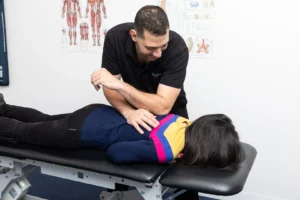
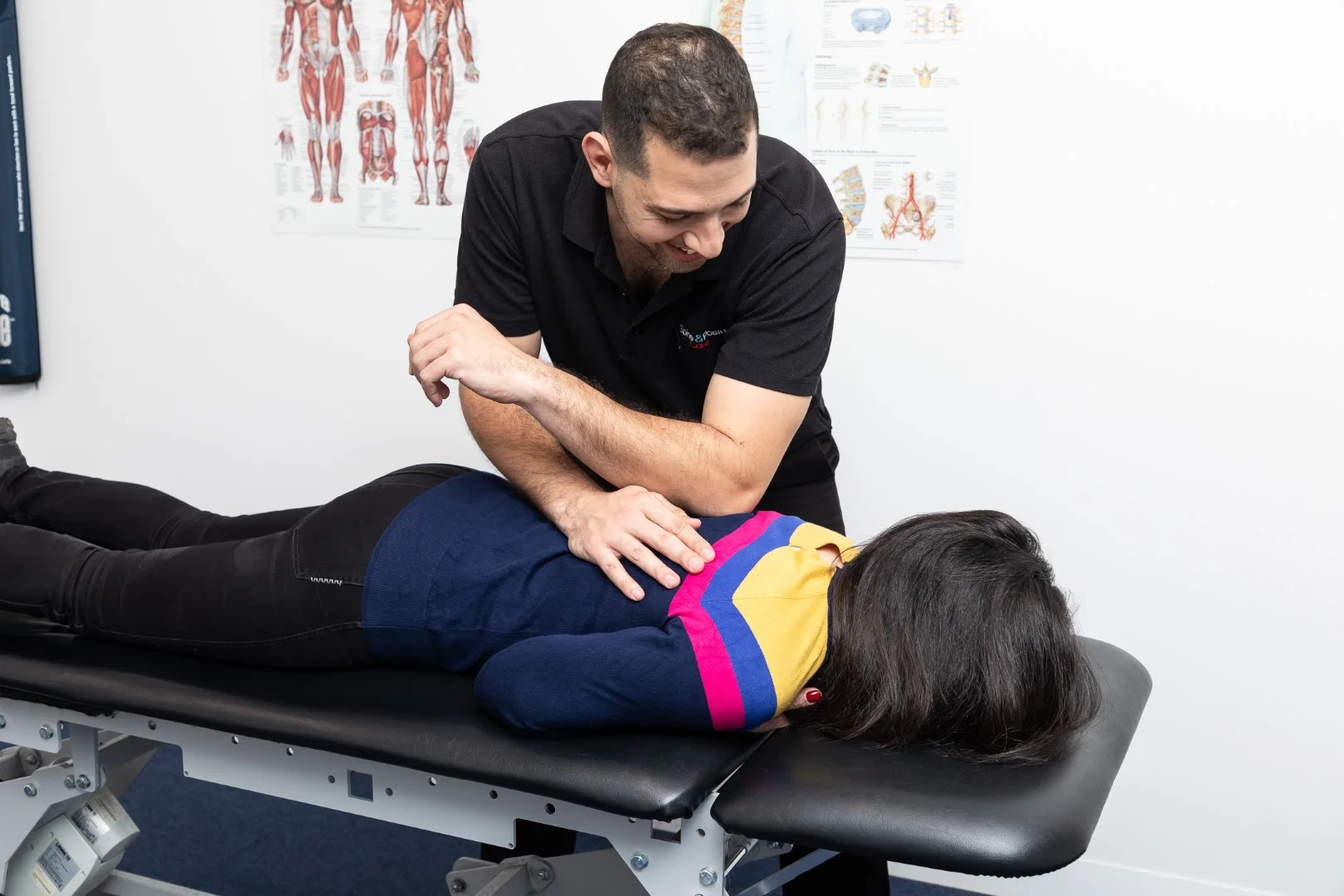
Chiropractic adjustments do more than just reduce pain or improve mobility; they fundamentally restore proper neurological function that allows your core muscles to activate correctly. When a chiropractor adjusts a misaligned vertebra, the immediate mechanical correction is just the beginning. The adjustment sends a flood of sensory information to your brain, essentially rebooting the neurological circuits that control muscles in that spinal region. Studies using electromyography have shown that spinal adjustments can immediately improve the activation patterns of core stabilizing muscles.
This neurological restoration explains why many patients experience immediate improvements in balance, stability, and movement quality after adjustments, even before any strengthening exercises have been performed. The muscles were always there and potentially strong enough, but they weren’t receiving clear signals to coordinate properly. Spine And Posture Care combines precise spinal adjustments with specific exercises designed to retrain these newly activated muscles, creating lasting improvements in core stability that go far beyond what exercise alone could achieve.
The Rehabilitation Process for Core and Spine Integration
Rehabilitating the spine-core relationship requires a sequential approach that addresses both structure and function. Initial treatment focuses on correcting spinal misalignments and reducing any inflammation or muscle spasms that may be present. During this phase, gentle mobility exercises help restore normal joint movement without overloading healing tissues. As spinal function improves, rehabilitation progresses to targeted exercises that specifically retrain the deep core stabilizers to activate properly.
The key difference between standard core exercises and rehabilitation guided by a Manly Chiropractor lies in the focus on quality of movement and proper muscle activation rather than quantity of repetitions or difficulty of exercises. Simple movements performed with precise technique and proper breathing patterns often produce better results than advanced exercises performed with compensatory patterns. Spine And Posture Care teaches patients to feel the difference between superficial muscle bracing and true deep core activation, helping them develop body awareness that supports long-term spinal health and functional stability.
Lifestyle Factors That Support Both Spinal and Core Health
Daily habits play an enormous role in either supporting or undermining the relationship between your spine and core. Prolonged sitting, particularly in slouched positions, essentially teaches your core stabilizers to turn off, as your spine collapses into passive structures like ligaments and discs for support. Breaking up sitting time with movement, maintaining good posture, and using ergonomic workstation setups all help keep your spine in positions where core muscles can function optimally.
Sleep position and mattress quality also significantly impact spinal health and, by extension, core function. Sleeping on your stomach forces your spine into extension and rotation that can create misalignments, while an unsupportive mattress allows your spine to sag into positions that stress joints and muscles. Side sleeping with proper pillow support maintains neutral spinal alignment throughout the night, giving your body the best opportunity to recover and maintain the spinal health necessary for optimal core function. Hydration deserves mention as well, since your intervertebral discs depend on adequate fluid to maintain their height and shock-absorbing properties. Dehydrated discs compromise spinal mechanics and make proper core activation more difficult.
Conclusion
The connection between spinal health and core strength represents one of the most overlooked factors in both fitness and rehabilitation. Your spine provides the foundation upon which all core function is built, serving as the attachment point for core muscles and the pathway for the nerves that control them. When spinal alignment and function are compromised, even the most dedicated core training efforts will produce limited results. Addressing spinal health through comprehensive chiropractic care unlocks your body’s natural capacity for stability and strength, creating improvements that extend far beyond the treatment room into every aspect of your daily life and physical performance.
FAQs
Can I build a strong core if my spine isn’t properly aligned?
While you can develop some core muscle size and strength with misalignment present, true functional core stability requires proper spinal alignment for optimal muscle activation. Spinal dysfunction limits how effectively your core can protect your spine during daily activities.
How quickly will I notice core strength improvements after chiropractic treatment?
Many patients notice immediate improvements in balance and stability after adjustments restore proper nerve function. Building sustained strength takes longer, typically several weeks of combining spinal care with appropriate exercises to retrain muscle activation patterns.
Do I still need to do core exercises if I’m receiving chiropractic care?
Absolutely. Chiropractic care optimizes the foundation by correcting spinal alignment and nerve function, but exercise is necessary to build strength and endurance. The combination produces far better results than either approach alone.
Can weak core muscles cause spinal misalignments?
The relationship works both ways. Weak core muscles can contribute to spinal instability that leads to misalignments, while spinal misalignments interfere with core muscle activation, creating weakness. Breaking this cycle requires addressing both components simultaneously.
What’s the best type of exercise for core strength with spinal issues?
Low-impact exercises that emphasize quality of movement over intensity work best initially. Exercises like bird dogs, dead bugs, and gentle bridges performed with proper form help retrain core activation without stressing a healing spine.