
Back Pain: Symptoms, Causes, Diagnosis & Treatment

Written by Mark El-Hayek
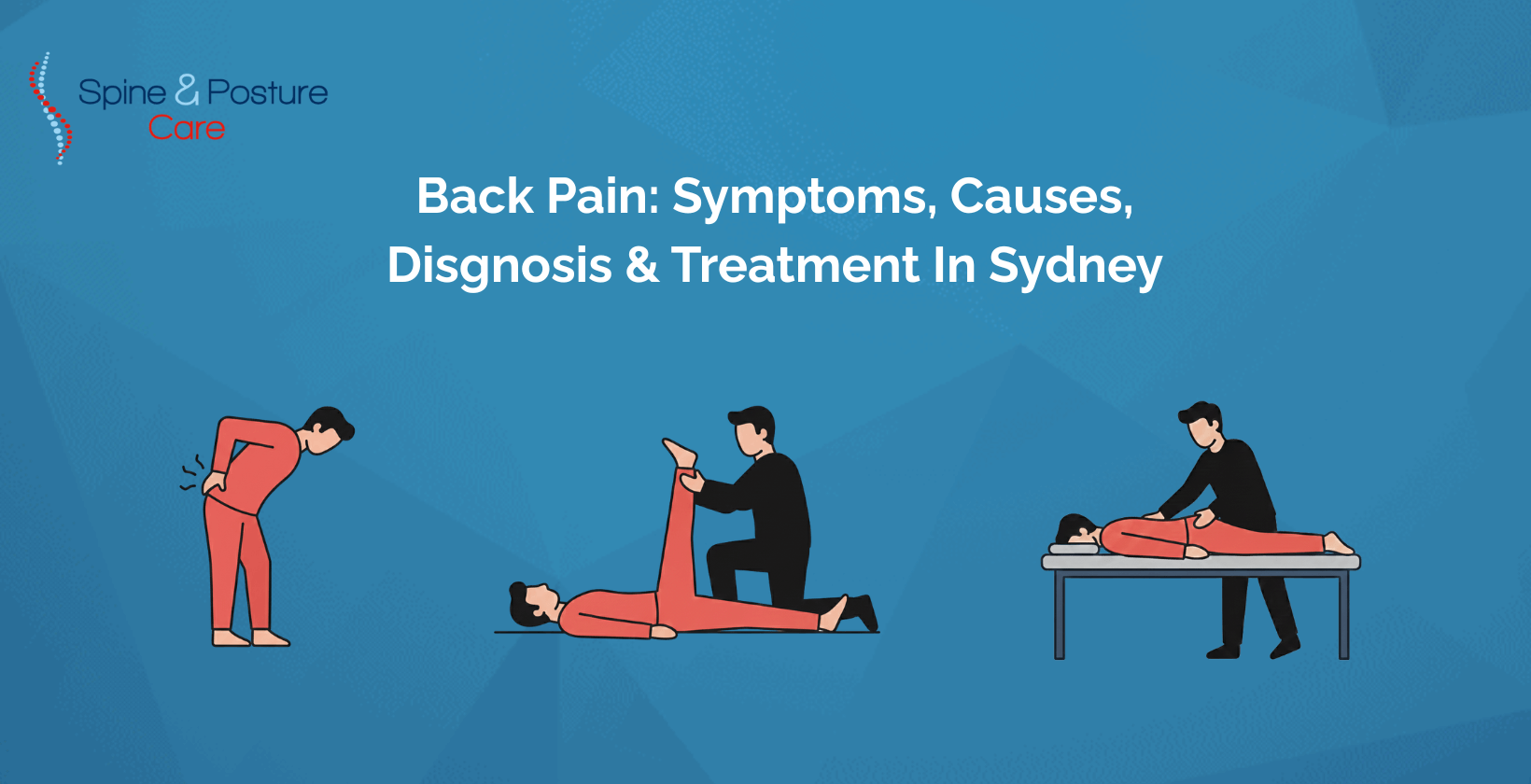
Back pain is a musculoskeletal condition that affects the muscles, ligaments, and nerves around the spine. Backache can cause aching, stiffness, or radiating discomfort in the upper, middle, or lower back. It often results from three main factors: poor posture, repetitive strain, and degenerative spinal changes. These issues can disturb vertebral alignment and muscle balance. Over years of clinical experience, we have seen that stress on the spine is further increased by muscle fatigue, nerve irritation, and inflammation, all of which affect how well your body moves and coordinates.
Diagnosing spinal problems at earlier stages and starting the right treatment quickly can prevent long-term damage, reduce pain faster, and make recovery more effective. Back pain is usually diagnosed through a detailed discussion of your symptoms and a physical and neurological exam, with imaging such as X-rays or MRI (magnetic resonance imaging) used when needed to see what is happening in your spine. Back pain treatment often includes a mix of chiropractic care, physiotherapy, targeted exercises, and lifestyle changes, with more advanced options considered only if conservative care is not enough.
Frequent chiropractic sessions reduce chronic low back pain and improve mobility which reinforces the role of regular chiropractic care in sustaining spinal health, according to the research, “Dose-response for chiropractic care of chronic low back pain”, published in The Spine Journal in 2004. At Spine and Posture Care, our chiropractors combine back pain treatments with posture correction and muscle-strengthening exercises to improve movement and reduce strain. The goal is to ease your pain and, where possible, help you avoid major surgery.
What is Back Pain?
Back pain is any form of pain, strain, or sprain felt in the muscles, nerves and tissues around your spine which radiate to the organs in your belly or pelvis and interfere with daily activities by causing stiffness, inflammation or nerve irritation. This pain feels like a burning, stabbing, dull, sharp, aching, throbbing or shooting sensation in the affected area depending on the underlying cause. A period of back pain can be acute lasting less than 4 weeks, subacute lasting 4 to 12 weeks, or chronic lasting more than 12 weeks.
This backache is categorized into upper back pain in the cervical (neck) region, middle back pain in the thoracic region, and lower back pain in the lumbar region of the spine. Almost 90% of adults suffer from backache at least once in their lifetime and 50% of working people face this issue every year, according to research entitled “Diagnosis and Management of Acute Low Back Pain” by Patel A.T. et al., published in the American Family Physician in March 2000.
Back pain affects age groups differently due to variations in spinal degeneration, muscle elasticity, and neural sensitivity, with each factor influencing diagnosis and therapeutic decision-making. Younger adults cope with occupational strain and repetitive activities that cause musculoskeletal overload which is cured with manual therapy or chiropractic adjustment when combined with medication and structured prevention programs. Older adults experience degenerative disc disease and osteoarthritic changes that reduce spinal mobility and lead to functional limitation which requires multimodal treatment plans with medication and activity modification for healing.
The psychosomatic influence of stress, sleep deficiency, and depression increases back pain perception across all age categories which shows a strong mind-to-body relation within the pain matrix. Back pain has persisted as one of the most reported causes of physical inactivity globally, showing cultural adaptation to sedentary behaviors and limited access to preventive manual therapy. Early diagnosis of backache by imaging and neuromuscular evaluation helps reduce recurrence rates and disability outcomes.
Low back pain accounted for a substantial portion of the musculoskeletal burden in Australia in 2019 with over 2.6 million prevalent cases and nearly 299,000 years lived with disability (YLDs) according to a research titled “Disability burden due to musculoskeletal conditions and low back pain in Australia: findings from GBD 2019” by De Luca, K. et al, in the journal of de Luca et al. Chiropractic & Manual Therapies in 2022.
What Are the Most Common Symptoms of Back Pain?
The most common symptoms of back pain are muscle aches, sharp or shooting pain, sciatica, limited range of motion, pain that worsens with bending, lifting, or standing, numbness or tingling sensations, and persistent or dull aching pain. Other symptoms of backache include pain that improves when reclining, muscle spasms in the lower or upper back, and difficulty standing up straight or moving normally.
Muscle tightness and spasms are popular back pain symptoms that make daily movements difficult, while sharp or shooting pain limits physical activity and affects posture. Pain that radiates down the leg like sciatica or sensations of numbness indicate nerve compression that requires immediate attention. Limited range of motion or joint stiffness also signals underlying muscular or joint issues which make routine tasks more difficult.
Back pain symptoms like persistent or dull aching pain develop gradually with poor posture or repetitive strain, and often worsen with prolonged standing, bending, or lifting. Some people notice relief from the pain when reclining which highlights disc-related or structural causes. Understanding these patterns of back pain helps identify when professional evaluation or targeted treatments like gentle stretching, posture correction, and strengthening exercises are needed.
Low back pain symptoms are localized or axial discomfort in the lumbar region that sometimes radiates to the legs due to disc herniation or nerve irritation, according to a research titled “Mechanisms of low back pain: a guide for diagnosis and therapy”, by M. Allegri et al., published in the F1000Research journal (2016). This study also notes other signs of back pain such as stiffness, postural pain, or sensory changes linked to degenerative or inflammatory spinal conditions.

Muscle Aches or Tightness
Muscle aches or tightness developed from poor posture, overuse of spinal muscles, or mechanical strain serve as early physiological indicators of back pain. Persistent stiffness and muscle weakness in the paraspinal or lumbar regions restrict spinal mobility and alter biomechanical alignment by increasing pressure on vertebral joints and soft tissues. This muscular imbalance gradually contributes to chronic irritation and pain sensitization which makes the transition from temporary strain to a recurrent musculoskeletal disorder.
Normal muscle soreness differs from spinal-related pain based on pain duration, spread to adjacent areas, and neurological signs such as numbness or tingling. Temporary soreness after mechanical strain usually diminishes as muscle fibers recover, but pain linked to spinal dysfunction persists or worsens with movement due to disc inflammation or nerve compression. Muscular tightness when accompanied by radiating discomfort or reduced strength in the lower limbs signals an underlying spinal issue that requires diagnostic assessment for proper treatment.
Sharp or Shooting Pain
Sharp or shooting pain in the back is a common symptom of back pain which is triggered by sudden movement or spinal injury. This pain indicates nerve involvement or disc compression that causes neuropathic pain sensations. Sharp back pain differs from dull or muscular pain because it causes shooting pains throughout the body that accompany tingling or numbness in the back or limbs. Persistent sharp pain with muscle weakness or loss of bladder control requires urgent medical evaluation to prevent progressive nerve damage.
Pain that Radiates Down the Leg (Sciatica)
A common symptom of back pain is the radiating leg pain (Sciatica) which is caused by pressure on the sciatic nerve or a herniated disc. The nerve compression produces shooting pain through the leg that travels from the lumbar spine down to the thigh or calf with numbness or tingling sensations. Persistent or severe episodes of this pain suggest nerve root irritation that requires clinical diagnosis to assess spinal alignment and neural integrity.
Sciatica pain differs from muscle or vascular problems as it originates from neuropathic compression rather than local tissue strain or reduced blood flow. The discomfort caused by Sciatica worsens with sitting or bending due to increased pressure on the sciatic nerve. Accurate diagnosis of the issue with targeted pain relief strategies such as physiotherapy or decompression treatment helps restore nerve function and prevent chronic neurological complications.
Limited Range of Motion or Stiffness
Limited range of motion or stiffness in the back muscle or joints is a key symptom of underlying spinal or musculoskeletal dysfunction. Muscle stiffness occurs due to micro-tears, inflammation, or swelling of tissue surrounding the vertebral column, while joint-related stiffness is caused by degenerative conditions such as osteoarthritis and rheumatoid arthritis. These issues in the back restrict spinal flexibility and movement control which are the early signs of mechanical or inflammatory back pain.
Restricted mobility caused by muscular tension or joint degeneration affects posture stability and makes functional activities like bending or lifting difficult. Persistent stiffness in spinal or paraspinal muscles increases pain sensitivity and tissue inflammation by increasing load on the spine and speeding up intervertebral joint wear. Early assessment of the problem, targeted physiotherapy and mobility restoration exercises are essential to improve spinal motion, relieve stiffness, and prevent chronic back pain syndromes.
Pain that Worsens with Bending, Lifting, or Standing
Another symptom of back pain is the pain that worsens during bending, lifting, or prolonged standing. This problem indicates mechanical stress on the spine due to muscle or ligament strain. Repetitive strain on the lumbar segments of the spine also results in a herniated disc, bulging or ruptured disk which increases pressure on the nerves and causes sharp or localized discomfort.
Mechanical overload on spinal tissues leads to secondary muscle spasms or acute injuries that restrict mobility and intensify the pain during motion. Maintaining natural posture helps prevent back pain by restoring spinal alignment and reducing tension on load-bearing joints.
Numbness or Tingling Sensations
Numbness or tingling sensations in the arms or legs are a common indicator of back pain caused by nerve compression from spinal stenosis or herniated discs. Some sensations may be temporary and harmless but persistent or worsening symptoms signal serious conditions like Cauda equina syndrome that require quick medical evaluation. Early recognition of these neurological signs aids in managing chronic spine conditions such as spinal stenosis and implementing physical therapy and epidural steroid injections to prevent long-term nerve damage.
Persistent or Dull Aching Pain
Persistent or dull aching pain in your spine is a symptom of chronic muscular strain or disc-related issue with intensity and frequency patterns making it different from acute pain. This pain is worsened by lack of sleep and prolonged sedentary behavior which reduces tissue recovery and increases inflammatory mediators in paraspinal muscles. Recognition of these patterns helps differentiate chronic from acute pain and guides the need for proper diagnosis.
Chronic back pain impacts daily activities, limits mobility, and contributes to psychological stress due to ongoing discomfort. Specific treatments such as physiotherapy, posture correction, and strengthening exercises restore spinal function and reduce the episodes of recurring pain. Recognizing long-term causes like degenerative disc changes or persistent muscle imbalances assists in proactive pain management and muscle stiffness prevention.
Pain that Improves When Reclining
One common symptom of back pain is lower back pain that improves when lying down which indicates disc-related or structural problems in the spine. Reclining eases pressure on spinal nerves and tissues which helps differentiate mechanical pain from other causes of backache. Some patients may also experience headaches that change with posture, such as orthostatic headaches when standing or positional headaches triggered by certain positions. Paying attention to how your pain changes with position can guide proper diagnosis and treatment.
Using spinal decompression methods, maintaining natural posture positioning, and taking the right posture rest can reduce strain on the spine and support the healing process. Consistent lower back pain or headaches when upright are symptoms of ongoing nerve pressure or muscle imbalance. Understanding these discomfort patterns helps you manage back pain and prevent further worsening during daily activities.
Muscle Spasms in the Lower or Upper Back
Sudden muscle spasms in the upper or lower back are a common symptom of back pain that are triggered by strain, dehydration, or stress. These muscle cramps show underlying musculoskeletal or nerve-related issues in the spine that require immediate medical attention. Persistent or severe spasms in the trapezoid or lumbar regions limit mobility and worsen discomfort, while repeated lower back spasms indicate chronic muscular imbalance. Identifying these patterns early assists you in distinguishing routine cramps from crushing back spasms that require professional treatment.
These spasms can be managed through targeted stretching, proper hydration, and controlled movement to relieve tension and restore muscle function. Understanding triggers such as poor posture, repetitive lifting, or prolonged inactivity is beneficial in reducing the risk of chronic pain and preventing the cramps from coming back.
Difficulty Standing Up Straight or Moving Normally
Difficulty in standing upright or moving normally results from back pain caused by muscle strains, nerve irritation, or structural issues such as a herniated disc or spinal stenosis. Poor posture and a minimal movement lifestyle amplify this limitation by increasing tension on spinal tissues and triggering protective muscle guarding. Knowing these movement difficulties is helpful in identifying the source of pain, whether musculoskeletal or neurological origins.
Muscle tension restricts regular mobility by creating discomfort that impacts daily activities and overall spinal function. Gentle stretching, posture correction, and gradual strengthening exercises support recovery by reducing strain on sensitive nerves and muscles. Understanding both physical and psychological factors behind movement limitations ensures safe restoration of normal motion and prevents recurrence of lower back spasms.
What Are the Most Common Causes of Back Pain?
The most common causes of back pain include muscle or ligament strain, herniated or bulging discs, poor posture, arthritis, and osteoporosis. Other causes of back pain are skeletal irregularities, a sedentary lifestyle, stress and tension, injury or trauma, and obesity.
Sudden awkward movements or lifting heavy objects strain the muscles and ligaments of the back which leads to stiffness, inflammation, and restricted motion with severe back pain. Spinal disc problems such as herniated or bulging discs compress nearby nerves and cause sharp or radiating pain that often worsens with sitting or bending.
Poor posture and a sedentary lifestyle from prolonged desk work misalign the spine, weaken core muscles, and contribute to chronic tension and stress-related back pain. Conditions like arthritis, osteoporosis, skeletal irregularities, and obesity further compromise spinal structure and stability by increasing the chances of long-term back pain over time.
Inflammation, nerve sensitization and mechanical pressure on spinal joints and discs are key mechanisms underlying chronic low back pain in humans, according to research titled “Mechanisms of low back pain: a neurophysiologic and neuroanatomic study” published in the Clinical orthopaedics and related research journal by J. Cavanaugh et al.

Muscle or Ligament Strain
A major cause of back pain is muscle strain due to sudden awkward movement that overstretches lumbar muscles and ligaments which leads to microtears and an inflammatory tissue response. These mechanical stressors disrupt spinal biomechanics and cause acute or chronic musculoskeletal dysfunction.
Muscle strain affects muscle fibers that attach muscles to bones while ligament sprain affects connective tissues that link bones at a joint with swelling, tenderness, and restricted mobility in both cases. These issues can be prevented by following a correct posture, stretching your body, and using elevation therapy to prevent recurrent injury risk.
Herniated or Bulging Discs
Herniated or bulging discs are common causes of back pain as they weaken the intervertebral structure by reducing disc hydration and elasticity. These spinal disc problems lead to herniated or bulging discs which result in compressing spinal nerves and triggering neuropathic pain that worsens with sitting or prolonged flexion.
Risk factors such as aging, poor posture, repetitive stress, and obesity increase spinal load and accelerate disc wear. Timely diagnosis with magnetic resonance imaging (MRI) and computed tomography (CT) scan is essential to assess the degree of nerve impingement and suggest the right treatments. Major treatments of back pain due to disc degeneration range from physiotherapy and anti-inflammatory medication to surgical decompression in severe or persistent cases.
Poor Posture
Poor posture is another leading reason for back pain as prolonged sitting, forward head position, and rounded shoulders disrupt spinal alignment and muscular balance. These postural deviations increase spinal load and cause muscle fatigue, stiffness, and headaches linked to sustained muscle stress.
Preventive strategies such as workstation adjustments and stretching tight chest muscles help restore proper alignment and reduce back pain recurrence. Posture-improving therapies like physiotherapy, core stabilization, and self-correction techniques also improve spinal mobility and reduce chronic musculoskeletal strain.
Arthritis
Arthritis-related changes such as inflammation, cartilage erosion and joint stiffness in the spine are the main contributors to chronic back pain. Spinal arthritis includes conditions like osteoarthritis which gradually wears down cartilage, and ankylosing spondylitis which causes inflammation and fusion of the vertebrae, both leading to chronic back pain and reduced mobility.
Chronic stiffness and pain from arthritis reduce spinal mobility and make daily activities difficult. This issue is diagnosed with imaging and lab tests, while pain relief, medication, and prevention strategies such as exercise and weight control help manage symptoms and maintain quality of life.
Osteoporosis
Osteoporosis causes back pain by weakening spinal bones and reducing bone strength which slowly leads to vertebral compression fractures over time. This chronic condition increases the risk of fractures as the bone resorption process exceeds bone formation and damages spinal stability and posture.
Early detection of the issue is necessary because weakened bones from osteoporosis often go unnoticed until a painful fracture occurs. This issue is prevented by maintaining bone density through calcium and vitamin D intake, utilizing weight-bearing exercise, and getting medical screening for timely treatment.
Skeletal Irregularities
Spinal irregularities like scoliosis, kyphosis, and lordosis are the main contributors to back pain because they alter spinal alignment and joint loading patterns. These changes in the spine lead to muscular imbalance and nerve compression. Such abnormalities also affect the skeletal system and coexist with skeletal dysplasia or bone fragility to increase the postural strain and mechanical discomfort.
Postural distortion from spinal deformities is diagnosed through physical examination, radiographic imaging, and biomechanical assessment to determine the intensity of the problem and instability. Treatment of the skeletal irregularities focuses on pain control, postural correction, and spinal stabilization through physical therapy or surgical correction to restore alignment and prevent chronic dysfunction.
Sedentary Lifestyle
Inactivity or a sedentary lifestyle is another reason for chronic back pain because it weakens the paraspinal and core muscles of your body which reduces spinal stability and flexibility. Sitting too much slows circulation and increases stiffness in lower back muscles due to continuous stress on the lumbar and cervical segments.
This muscular deconditioning raises the risk of degenerative pain disorders, so movement-based correction is essential for spinal health. Daily stretching, core strengthening and posture training are helpful in restoring muscle balance, improving joint mobility, and preventing stiffness-related discomfort in sedentary individuals.
Stress and Tension
Stress triggers tension in the musculoskeletal system by making muscles tight and inflamed which results in persistent back pain and headaches. The body’s stress response prepares muscles for action, but prolonged activation of muscles causes chronic stiffness and postural strain in the spinal region.
This physiological tension links emotional distress with pain sensitivity and shows a strong mind-to-body connection in severe pain conditions. Stress-based back pain is cured with mindfulness, relaxation breathing, and stress management techniques that restore spinal comfort over time.
Injury or Trauma
Injuries from falls, accidents, or sports are the primary causes of acute or chronic back pain due to mechanical stress on spinal tissues and supporting musculature. Traumatic injury disrupts soft tissue integrity and spinal structure which leads to severe nerve compression or vertebral instability.
Differences between an injury and a trauma are assessed through imaging techniques like magnetic resonance imaging (MRI) and computed tomography (CT) scans that reveal the mechanism of injury and tissue damage severity. These results from diagnosis help direct treatment paths such as anti-inflammatory therapy, physiotherapy, or graded rehabilitation for progressive musculoskeletal recovery.
Obesity
Obesity or excess body weight is also a cause of back pain as it increases spinal load, disrupts postural balance, and leads to mechanical stress on intervertebral discs and paraspinal muscles. Chronic fat accumulation triggers inflammatory cytokine release which results in structural degeneration and persistent back pain.
This inflammation-based pain is controlled through weight management strategies that restore spinal alignment and reduce metabolic stress. Lifestyle modification, controlled diet, and adaptive exercises also improve mobility in overweight individuals with chronic back pain.
How Is Back Pain Diagnosed?
Back pain is diagnosed through a physical examination, a medical history review, and a neurological evaluation of the patient to find the main cause of the problem. Other methods like imaging scans (X-ray, MRI, CT scan), electromyography (EMG), blood tests, bone scans, and diagnostic injections help identify the severity of the condition.
Doctor evaluates posture, spinal alignment, and pain response during the physical examination of the patient to detect strain or nerve compression. A detailed medical history review of the patient is necessary for a clearer diagnosis direction because it helps trace previous injuries, lifestyle habits, or underlying disorders that may contribute to chronic or acute back pain.
Neurological evaluation is also helpful in assessing reflexes, muscle strength, and sensory function to check for nerve involvement or spinal cord irritation. Advanced imaging tests like X-ray, magnetic resonance imaging (MRI), and computed tomography (CT) scan reveal disc degeneration, fractures, or soft tissue damage to identify the underlying causes of back pain and guide targeted treatments. Electromyography (EMG), blood tests, bone scans, and diagnostic injections are also useful in confirming nerve function, detecting hidden causes, and providing additional insights to select effective pain management strategies.
MRI demonstrates the highest sensitivity and specificity for detecting infections and offers slightly greater accuracy than CT scans for identifying herniated discs, while plain X-rays and basic laboratory tests remain useful for ruling out underlying systemic conditions, according to research titled “Diagnostic Evaluation of Low Back Pain with Emphasis on Imaging” published in the Annals of Internal Medicine journal by J. Jarvik et al.

Physical Examination
A physical examination is the first diagnostic measure performed to pinpoint problems related to posture, movement, or spinal tenderness in patients with back pain. Clinicians examine joint mobility, muscle stiffness, and pain response to detect biomechanical abnormalities or soft tissue dysfunction that are causing the discomfort.
Findings from this assessment guide the next diagnostic steps such as imaging or neurological evaluation to confirm or rule out structural issues. Doctors follow this step to identify serious conditions early and make the treatment environment safer and targeted for recovery.
Medical History Review
Medical history review is an important diagnostic procedure that is used to identify if an injury, degenerative disorder, or systemic disease is the underlying source of back pain. Clinicians communicate through structured questioning about symptom onset, activity level, occupational strain, and previous spinal injury to point out the main cause of the problem.
These responses help physicians map the affected spinal levels and evaluate neurological components influencing the pain pattern. Based on these findings, the doctor can optimize the environment for further diagnosis and guide potential surgical or non-surgical treatment planning.
Neurological Evaluation
Neurological examination is another important step in the diagnosis of back pain, as it is used to assess motor strength, deep tendon reflexes, and dermatomal sensation. These neurological assessments help detect nerve root compression and differentiate muscular strain from radicular pain.
The reports of neurological evaluation mention the affected spinal level and guide clinicians in detecting neurological impairments that influence mobility and pain response. Patients experience short, structured testing sessions that help doctors plan treatment strategies according to the neurological components of their condition.
Imaging Tests (X-ray, MRI, CT Scan)
Medical imaging is a back pain diagnostic technique that is recommended when visual information is required to find structural abnormalities in the spine or soft tissues. X-rays are the basic radiography scans performed to detect vertebral fractures, spinal deformities, or joint degeneration that correlate with pain symptoms.
Magnetic resonance imaging (MRI) and computed tomography (CT) scans are used when X-rays cannot detect problems related to discs, muscles, or neural compression. MRI visualizes soft tissue, nerve roots, and intervertebral discs, while CT provides a detailed view of bone anatomy to assist doctors in making the right treatment planning.
Nerve Studies (Electromyography - EMG)
Nerve studies or Electromyography (EMG) are a neurological diagnostic test that measures the electrical activity in muscles to assess nerve and muscle function along the spine. This neurological assessment is useful in detecting nerve damage, confirming disorders like sciatica, peripheral neuropathy, or carpal tunnel syndrome. It also helps in identifying whether back pain arises from nerve root compression or muscular dysfunction.
Small electrodes record electrical pulses during this test, while the patient contracts and relaxes the affected muscles. The recorded data complements magnetic resonance imaging (MRI) findings by correlating structural abnormalities with functional nerve deficits to support accurate diagnosis and personalized treatment planning for back pain management.
Blood Tests
Blood tests like C-reactive protein (CRP), erythrocyte sedimentation rate (ESR), HLA-B27, and a full blood count (FBC) help identify underlying causes of back pain by detecting infections, inflammation, or autoimmune activity. C-reactive protein (CRP), erythrocyte sedimentation rate (ESR), and HLA-B27 are used to diagnose infections, ankylosing spondylitis, or inflammatory arthritis when pain patterns indicate non-mechanical sources.
A full blood count (FBC) and related tests become the first diagnostic measure to confirm underlying pathological involvement when unexplained fever, persistent stiffness, or weight loss appear. These findings help doctors find possible links between inflammation and musculoskeletal pain to guide imaging or specialist referral.
Bone Scans
Bone scans are useful in detecting hidden causes of back pain by tracking bone metabolism through a radioactive tracer that accumulates in the areas of high cellular activity in bones. This imaging helps reveal fractures, tumors, or bone infections that may not appear on standard X-rays or MRI, particularly in complex or persistent pain cases.
Physicians monitor bone conditions to identify early metastasis or inflammation when tracer uptake patterns indicate abnormal accumulation in certain bone regions. This diagnostic technique is valuable in evaluating unexplained skeletal pain and high-risk structural abnormalities that need precise localization.
Diagnostic Injections
Diagnostic injections such as nerve blocks or discography are helpful in identifying the exact pain source by isolating affected spinal structures through targeted medicine delivery. These injections provide pain relief while confirming whether the pain originates from a specific nerve root, disc, or joint to guide further diagnostic or therapeutic steps.
Interventional specialists use this information about the pain generator source to plan treatment and monitor response. Types of spinal injections for pain relief include CT-guided nerve Root Injections, facet joint blocks, and epidural steroid injections with each carrying potential risks like infection or temporary numbness.
What Are the Best Treatment Options for Back Pain in Sydney CBD?
The best treatment options for back pain in Sydney CBD are chiropractic care and spinal adjustment therapy, assessment and diagnosis by a spine specialist, physiotherapy and spinal rehabilitation, dry needling, and soft tissue techniques. Other treatment options for back pain in Sydney CBD include massage and remedial therapy, spinal decompression therapy, pain management interventions, and surgical treatment options.
Chiropractic care and spinal adjustment therapy restore spinal alignment, while assessment and diagnosis by a spine specialist provide critical insights into the specific causes of back pain. These diagnostic findings guide targeted interventions like dry needling, soft tissue techniques, and remedial therapies while also identifying patients who require advanced treatments for structural or disc-related issues. Physiotherapy and spinal rehabilitation support these treatment approaches by strengthening muscles, correcting posture, and enhancing the body’s functional movement.
Spinal decompression therapy and pain management interventions offer non-surgical relief for disc-related or severe back pain by reducing nerve pressure and improving spinal alignment. These therapies can also be integrated with physiotherapy, chiropractic care, and medications to provide multimodal management tailored to each patient’s condition. Surgical treatment options remain available for severe or unresponsive cases with less invasive techniques improving recovery timelines and reducing procedural risks.
According to research titled “Noninvasive Treatments for Acute, Subacute, and Chronic Low Back Pain: A Clinical Practice Guideline From the American College of Physicians,” published in Annals of internal medicine by A. Qaseem et al. in 2017, noninvasive treatments like spinal manipulation, massage, exercise therapy, and multidisciplinary rehabilitation are recommended as first-line care for acute and chronic low back pain. Medications are advised only when these nonpharmacologic approaches fail to provide adequate relief.
Chiropractic Care and Spinal Adjustment Therapy
Chiropractic care and spinal adjustment therapy are among the best treatment options for back pain in Sydney CBD as they focus on restoring spinal alignment and motion through manual adjustments. Chiropractors use non-invasive, drug-free therapies that relieve lower back pain while improving spinal motion and posture. These adjustments also complement physiotherapy and rehabilitation by targeting joint restrictions and improving neuromuscular coordination.
Chiropractic treatment is considered safe for lower back pain because it applies controlled spinal adjustments that restore joint mobility, reduce nerve irritation, and relieve muscle tension without medication or surgery. Patients experience a gradual improvement in spinal flexibility mobility and pain relief as treatment progresses.
Assessment and Diagnosis by a Spine Specialist
Assessment and diagnosis by a spine specialist is another common treatment option for back pain in Sydney CBD. Spine experts assess the condition by combining clinical evaluation with posture analysis and conducting tests like the forward bend or Adams test. They also review past treatments and perform detailed diagnostic tests such as magnetic resonance imaging (MRI) or computed tomography (CT) scans to visualize disc, ligament, and soft tissue conditions. Accurate assessment helps differentiate acute injuries from chronic back pain and forms the foundation for a personalized treatment plan.
Imaging findings and posture evaluations guide spine specialists in identifying structural abnormalities and nerve involvement. These insights help clinicians to determine whether non-surgical treatments, pain relief procedures, or surgical options are most appropriate patient’s condition. Integrating clinical and radiographic data is helpful in an accurate diagnosis because it directs safe and effective back pain management.
Physiotherapy and Spinal Rehabilitation
Physiotherapy and spinal rehabilitation in Sydney CBD are among the few useful methods to treat back pain by combining muscle strength training and posture correction. Prehab programs in physiotherapy and spinal rehabilitation strengthen core muscles and improve spinal mobility through targeted exercises and controlled movements. Post-injury rehabilitation restores muscle strength and joint motion using progressive resistance, functional drills, and guided range-of-motion activities. Technology-based recovery tools like biofeedback and motion sensors help physiotherapists monitor progress and customize exercises for optimal spine and posture care.
Spinal rehabilitation complements physiotherapy interventions such as strength training and posture correction by addressing chronic pain patterns and improving the body’s ability to move efficiently. Physiotherapy emphasizes active strengthening and functional retraining rather than relying on manual spinal adjustments alone, as seen in chiropractic care. This comprehensive treatment approach supports long-term management of spine disorders and facilitates faster recovery while reducing the risk of recurrence of the issue.
Dry Needling and Soft Tissue Techniques
Dry needling and soft tissue techniques such as myofascial release and trigger point therapy are also effective methods for addressing back pain in Sydney CBD. These techniques target muscle trigger points and connective tissue to relieve deep tissue tension. Fine needles and manual therapy complement physiotherapy by easing muscle stiffness and reducing ligament or tendon pain for better recovery outcomes. Patients often report immediate pain relief and improved mobility because these techniques focus on musculoskeletal dysfunction rather than traditional meridian points used in acupuncture.
Soft tissue therapies enhance overall spine and posture function by releasing adhesions and improving blood flow in affected areas. These interventions speed up the rehabilitation process and prevent recurrence of pain when combined with guided exercise and posture correction. Dry needling offers a minimally invasive approach that directly targets muscular dysfunction which makes it suitable for prehab and post-injury management of back pain compared to chiropractic care.
Massage and Remedial Therapy
Massage and remedial therapy are among the common methods to treat back pain in Sydney CBD. These treatments apply techniques like deep tissue, sports massage, and lymphatic drainage to relieve muscular tension and stress-induced discomfort in the back. Remedial massage improves circulation, releases adhesions, and addresses postural strain common in desk workers or chronic pain patients. Active Release Techniques (ART) including massage-based myofascial release and instrument-assisted soft tissue mobilization target tight lumbar, gluteal, and piriformis muscles to complement injury management and enhance overall spine and posture function.
These therapies provide long-term pain relief by reducing muscle tightness and restoring mobility instead of giving just momentary relief. Massage focuses on soft tissue therapy rather than joint adjustment to provide a drug-free and non-invasive alternative to osteopathy. Combining massage with physiotherapy or spinal rehabilitation further increases functional recovery and prevents recurrence of back pain.
Spinal Decompression Therapy
Spinal decompression therapy in Sydney CBD provides a non-surgical solution for lower back pain by using specialized traction tables to relieve pressure on herniated or bulging discs. This therapy gently stretches the spine, reduces nerve compression, and promotes nutrient-rich fluid flow to damaged discs for improving healing and restoring spinal motion. Full spinal decompression also supports other conservative treatments like physiotherapy and chiropractic care to offer proper relief from chronic disc-related pain.
This non-invasive approach supports active muscle and spine function while minimizing the need for medication or surgery. Spinal decompression machines when compared with inversion therapy offer accurate and controlled treatment for each spinal assessment. Local clinics in Sydney CBD provide guided sessions that integrate with rehabilitation programs to maximize pain reduction and muscle recovery.
Pain Management Interventions
Clinical pain management intervention in Sydney CBD provides targeted relief for chronic back pain when conservative treatments fail. This method uses interventions like epidural injections and selective nerve blocks to address the main cause of the issue and help patients continue normal living. These procedures reduce inflammation of the discs and interrupt pain signaling when incorporated with proper medications, physical exercises and massages. Integrating these interventions with ongoing physiotherapy or chiropractic care improves functional recovery and supports spine health for a long time.
Multimodal treatment strategies that include medical and psychological support help manage chronic pain perception and improve patient outcomes. Controlled pain management sessions in local clinics use intervention techniques with active rehabilitation, lifestyle adjustments, and cognitive strategies to make the recovery fast. This integrated model provides personalized backache control with muscle mobility and reduced reliance on pharmacological treatments.
Surgical Treatment Options
Surgical treatment becomes necessary for severe back conditions when common therapies fail to relieve persistent pain, nerve compression or spinal instability. Common surgical procedures include discectomy, laminectomy, spinal fusion, and minimally invasive decompression as per the patient’s pathology and spinal anatomy. Understanding recovery timelines and potential risks is essential for patients to make informed decisions while comparing outcomes with non-surgical options like physiotherapy or chiropractic care.
Less invasive spine surgery results in reduced tissue disruption and faster rehabilitation to bridge the gap between conservative management and traditional open surgery. Local spine surgery services in Sydney CBD integrate advanced imaging, intraoperative navigation, and post-operative care to make the recovery phase quick. These interventions are useful for patients to regain mobility, reduce pain, and maintain long-term spinal health.
How Can You Prevent Back Pain Effectively?
You can prevent back pain effectively by maintaining good posture, exercising regularly, lifting properly, using ergonomic furniture, maintaining a healthy weight, and avoiding prolonged sitting. Further steps to protect yourself from back pain include sleeping on a supportive mattress, staying hydrated, managing stress, wearing supportive footwear, and considering chiropractic adjustments for long-term back health.
Maintaining good posture keeps the spine in neutral alignment and prevents uneven pressure on intervertebral discs. Regular exercise strengthens core and back muscles and supports spinal stability, while proper lifting techniques prevent sudden strain on lumbar structures. Using ergonomic furniture helps maintain correct body mechanics during work, and managing a healthy weight with additional postural habits reduces excess stress on spinal joints and soft tissues.
Avoiding prolonged sitting prevents stiffness in spinal extensors, while sleeping on a supportive mattress keeps the spine aligned during rest. Staying hydrated maintains disc elasticity, and stress management prevents muscular tension that contributes to chronic pain. Wearing supportive footwear promotes correct body alignment, and periodic chiropractic adjustments sustain spinal balance, reinforcing long-term back health and mobility.
Back pain prevention strategies such as a proper posture, regular exercise, ergonomic practices, healthy weight management, and safe lifting habits collectively reduce spinal stress and further protect you from the risk of back pain for a long time, accoriding to a research titled “Prevention and treatment of low back pain: evidence, challenges, and promising directions” published in The Lancet journal by N. Foster et al. in 2018.
Maintain Good Posture
Maintaining good posture while sitting, standing, or walking supports spinal alignment and prevents constant musculoskeletal strain. Keeping your ears over your shoulders, standing up straight, and holding your shoulders back and relaxed distributes body weight evenly and reduces spinal compression.
Correct posture during daily activities and work-from-home setups also strengthens core muscles and improves spinal stability. Strengthening your muscles through regular stretching and ergonomic adjustments also reduces back stress and prevents recurring pain episodes.
Exercise Regularly
Regular physical activity with spine-friendly exercises prevents back pain by improving mobility and muscle coordination. Core strengthening, flexibility training, and stretches are good for relieving lower back pain, reducing spinal stiffness, and maintaining functional posture in daily movement.
These controlled exercises also support spinal discs, stabilize lumbar muscles, and lower the risk of mechanical strain. Personalized routines with low-impact workouts are beneficial for all age groups as they strengthen the spine for long-term back health.
Lift Properly
Safe weight lifting techniques prevent back pain by minimizing lumbar stress and maintaining spinal stability. Keeping your back straight, maintaining a firm grip, and using leg power instead of spinal flexion are necessary for even load division and to protect intervertebral structures.
Controlled movements combined with an engaged core help the body maintain optimal biomechanics while lifting or transporting objects. Proper body alignment involves avoiding twists or turning with the feet and applying ergonomic principles to lower strain and protect the spine in both home and work settings.
Use Ergonomic Furniture
Using ergonomic furniture such as adjustable chairs, desks, and monitor setups helps prevent back pain by keeping your spine properly aligned during prolonged sitting. This alignment reduces the risk of musculoskeletal problems and protects you from strain or chronic pain caused by poor posture.
Reduced musculoskeletal load supports better comfort by keeping the cervical and lumbar curves in a neutral position for daily workstation use. This comfort improves posture habits and keeps the upper body relaxed to lower injury risk and improve spinal health.
Maintain a Healthy Weight
Maintaining a healthy body weight with a Body Mass Index (BMI) ranging from 18.5 to 24.9 kg/m² is helpful in lowering the risk of back pain because it decreases pressure on intervertebral discs and minimizes mechanical stress. A balanced diet rich in anti-inflammatory nutrients like omega-3 fats and antioxidants helps reduce obesity-related back pain and muscle strain by controlling systemic inflammation.
Reduced inflammation improves spinal flexibility and joint stability for pain-free movement in daily activities. Regular physical activity with stress reduction and consistent mobility exercises strengthens musculoskeletal balance while improving posture and backbone health.
Avoid Prolonged Sitting
Breaking long sitting periods with short movement intervals prevents back pain, spinal stress and postural fatigue by maintaining blood flow and muscle activation around the spine. Brief movement breaks or switching between sitting and standing reduce spinal compression and help prevent stiffness and muscular imbalances that contribute to chronic back pain.
Regular posture shifts also improve spinal flexibility and support blood flow for better tissue oxygenation. Setting reminders to stand, stretch, or walk every 30 minutes supports spinal alignment and long-term back health in both office and home settings.
Sleep on a Supportive Mattress
Sleeping on a supportive mattress with a proper pillow height is crucial for spinal alignment and pain relief during sleep. The right mattress firmness and comfort layer distribute body weight evenly, provide pressure relief, and maintain natural spinal curvature for improved comfort and recovery.
Spinal alignment during rest directly influences sleep quality and muscular repair efficiency. Sleeping in optimal positions with good breathability and ease of movement improves blood circulation and tissue healing to ensure overnight back recovery.
Stay Hydrated
Staying hydrated by drinking enough water supports spinal disc hydration, joint lubrication, and tissue elasticity for reducing spinal compression and preventing back discomfort. Dehydration limits nutrient exchange in intervertebral discs which leads to stiffness and postural fatigue even before you feel thirsty.
Maintaining regular hydration helps sustain disc turgor and spinal cushioning throughout daily movement. A water bottle is a good option for regular fluid intake during exercise to promote spinal function, improve body comfort, and lower the risk of chronic back strain.
Manage Stress
Stress management through relaxation techniques like meditation and mindfulness lowers cortisol levels that trigger muscle tension and spinal inflammation. Reduced muscular contraction around the lumbar region supports better posture alignment and minimizes stress-related back pain.
Deep breathing and mental calm improve neuromuscular control and spinal stability during daily activity. Combining mindfulness with exercise, a balanced diet, and adequate sleep further restores tissue recovery and promotes lasting spinal health.
Wear Supportive Footwear
Wearing supportive footwear with proper arch alignment is good for your back pain as it stabilizes the kinetic chain between the feet and spine and reduces abnormal stress on joints. Adequate arch support distributes body weight evenly to prevent pelvic tilt and compensatory posture that contribute to lower back pain.
Correct foot mechanics maintained by orthotic-friendly or cushioned walking shoes improve body alignment and reduce fatigue during prolonged standing. Continuous postural balance from well-fitted footwear reinforces spinal health, minimizes muscular strain, and supports daily movement efficiency.
Consider Chiropractic Adjustment for Long-Term Back Health
Regular chiropractic adjustment prevents back pain effectively by improving spinal alignment and reducing abnormal joint restriction. This treatment method also provides muscle stiffness relief and promotes spinal health by combining posture correction, exercise, and ergonomic habits.
Improved backbone alignment supports balanced movement and prevents recurring pain through better neuromuscular coordination. Chiropractic care not only treats pain but also preserves mobility by maintaining structural balance and joint integrity.
How to Choose the Right Chiropractor in Sydney?
To choose the right back pain chiropractor in Sydney, follow the steps given below.
- Check Qualifications and Licensing: The chiropractor must hold an accredited license and chiropractic certification to deliver regulated spinal treatment safely.
- Look for Experience in Treating Your Specific Condition: Experience of the chiropractor is necessary for accurate diagnosis and effective management of spinal or musculoskeletal disorders.
- Evaluate Clinic Location and Accessibility: A nearby chiropractic clinic with easy parking or transport access reduces treatment disruption and minimizes physical strain during visits.
- Read Online Reviews and Patient Testimonials: Feedback from back pain patients about the chiropractor is useful in predicting satisfaction with care and clinic professionalism.
- Ask About Treatment Techniques and Approaches: Chiropractor’s explanation of the treatment techniques builds patient confidence and supports evidence-based care decisions.
- Consider Communication Style and Comfort Level: Clear communication by the chiropractor promotes trust and reinforces patient comfort with an accurate understanding of posture correction strategies.
- Verify Costs and Insurance Coverage: Billing transparency in chiropractic service prevents unexpected charges and supports long-term treatment adherence.
- Schedule a Consultation for Initial Assessment: Scheduling an initial chiropractic consultation provides a clinical evaluation of spinal alignment and identification of underlying musculoskeletal dysfunctions.
- Check Availability and Appointment Flexibility: Appointment flexibility of the chiropractor is helpful in scheduling consistent spinal treatment without unexpected delays.
- Ensure Evidence Based Practice and Personalized Care: Chiropractors who use research-based techniques and individualized treatment protocols provide safer spinal management.
What Are the Best Chiropractic Treatments for Back Pain in Sydney?
The best chiropractic treatments for back pain in Sydney are given below.
- Spinal Adjustments: This chiropractic treatment improves spinal alignment by restoring joint mobility and reducing nerve irritation to relieve acute and chronic back pain.
- Soft Tissue Therapy: This chiropractic treatment targets myofascial adhesions and hypertonic muscle fibers to reduce soft tissue tension and improve spinal biomechanics for back pain control.
- Posture Correction: This chiropractic technique for back pain corrects musculoskeletal posture to reduce mechanical stress on spinal joints and minimize posture issues during daily activity.
- Mobilization Therapy: This low-grade chiropractic joint mobilization technique improves segmental flexibility and reduces stiffness in restricted vertebral levels to reduce back pain.
- Flexion-Distraction Therapy: This chiropractic treatment reduces lumbar disc compression by gently stretching spinal structures to relieve radiating back pain.
- Trigger Point Release: This chiropractic therapy deactivates localized muscle knots and improves circulation to reduce pain in the lower back and pelvic region.
- Rehabilitation Exercise: This chiropractic strengthening approach improves core stability and pelvic control to support spinal structures, reduce load during functional movement, and prevent back pain.
Personalized chiropractic treatment plans for back pain are adjusted to the patient’s symptoms and functional goals. Qualified chiropractors in Sydney provide local access to these back pain management options for providing quick relief and restoring spinal function.
How to Get Instant Back Pain Relief at Home?
To get instant back pain relief at home, use cold therapy or heat packs to modulate inflammation and relax paraspinal tissues. Other methods of getting instant relief from backache include gentle stretching such as lumbar rotation, nerve glide, and deep hip rotator stretch support joint mobility. Light massage or foam rollers reduce myofascial tightness for short-term comfort.
This short-term comfort connects with correct posture habits to unload lumbar discs and protect spinal alignment during daily tasks. Core strengthening exercises stabilize the lower back and pelvic muscles to support spinal alignment and long-term pain control, but if discomfort persists, it is better to visit a chiropractor or physiotherapist in Sydney CBD for structured treatment.
What Is the Best Sleeping Position for Back Pain?
The best sleeping position for back pain is lying on your back with a pillow under the knees or on your side with a pillow placed between the knees to maintain spinal alignment and reduce lumbar pressure. Proper sleep posture supports a neutral spine and helps reduce pressure on the lumbar joints so you can relax your back muscles more comfortably during rest.
A supportive mattress and cervical pillow are useful in maintaining the curve of the spine over time, while avoiding stomach sleep posture prevents excessive lumbar extension and protects spinal alignment.
What Causes Back Pain During Pregnancy?
Back pain during pregnancy is caused by hormonal changes that loosen ligaments and create pelvic instability which in turn increases stress on the lumbar spine and nearby nerves. Weight gain and posture shifts further move the body’s center of gravity forward which strains the spinal muscles during daily movement.
This discomfort is common during pregnancy and usually temporary, but severe or persistent pain should be assessed by a healthcare professional. Gentle pregnancy exercises and posture care tips can help relieve tension and support spinal stability.
GET EFFECTIVE POSTURE CORRECTION
Learn how posture correction can help improve your posture