
Most back and neck pain doesn’t start with an injury — it builds slowly from years of posture habits, inactivity, and stress your body absorbs without complaint. I see this pattern constantly in Sydney patients: a slipped disc or bout of sciatica that seems sudden actually took months, sometimes years, to develop.
Table of Contents
ToggleOffice work, long commutes, and screen-heavy lifestyles put steady pressure on the spine long before pain shows up. Prevention works because it interrupts that slow build-up while your body still has room to adapt and recover.
This guide covers the foundations of spinal wellness and posture, how movement and your daily environment protect your body, the roles nutrition, sleep and stress play in musculoskeletal health, practical prevention strategies for common conditions, and how to build a routine suited to your life stage — plus when it’s time to bring in professional care.
What “Spinal Wellness” Really Means
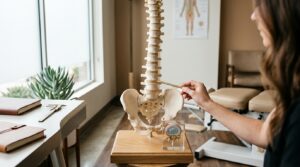
Spinal wellness is a state in which the spine maintains its natural curves, supports load evenly across discs and joints, and moves through its full range without pain or restriction. I think of it less as an absence of symptoms and more as a functional reserve — how much stress your spine can absorb before something gives.
Every spine shares certain root attributes: three natural curves, 24 movable vertebrae, and shock-absorbing discs between each one. What varies is unique to you — old injuries, occupational strain patterns, and genetic factors like disc hydration levels.
Root, Unique and Rare Attributes of a Healthy Spine
A healthy spine distributes weight evenly through its curves, and that even distribution is what keeps individual segments from wearing faster than others. I look at this balance first in almost every assessment, because uneven load is where most chronic pain quietly originates.
Rare but important factors include hypermobility, scoliosis, and previous spinal surgery, which change how prevention strategies need to be applied. Genetic disc degeneration affects roughly 16% of the population to some degree by middle age, independent of lifestyle factors.
That statistic matters because it reframes prevention as risk reduction, not risk elimination. And that distinction changes how I set expectations with patients from day one.
How Daily Posture Habits Shape Long-Term Spinal Health
Posture is the cumulative position your spine holds for the majority of your waking hours, and hours matter far more than moments. A single slouched minute changes nothing. Eight slouched hours a day, five days a week, for a decade — that reshapes tissue.
I explain to patients that muscles and ligaments adapt to whatever position they hold most often. Sit rounded forward long enough and your body starts treating that shape as “normal,” pulling you back into it even when you consciously try to sit up straight.
Sitting, Standing and Sleeping Posture
Sitting posture matters most for office workers and students, who spend six to ten hours a day seated. Keep your ears, shoulders, and hips roughly stacked, feet flat, and screen at eye level. Standing posture asks for a neutral pelvis, not a locked-back military stance, which actually strains the lower back.
Sleeping posture gets overlooked constantly. Side sleeping with a pillow between the knees keeps the pelvis level, and back sleeping with support under the knees reduces lumbar strain. Stomach sleeping, on the other hand, forces the neck into rotation for hours and is worth phasing out where possible.
Signs Your Posture Is Working Against You
Early signs include a forward head position, rounded shoulders, and one shoulder sitting visibly higher than the other. Headaches that start at the base of the skull and radiate forward often trace back to a strained neck posture, not eye strain or dehydration.
Uneven shoe wear is a subtle one I bring up often. It points to a pelvic tilt or leg-length discrepancy that’s quietly loading one side of the spine more than the other.
Movement and Exercise as Prevention
Movement keeps spinal discs fed. Discs have no direct blood supply — they absorb nutrients through movement-driven fluid exchange, which means a sedentary spine is a poorly nourished spine. This single fact reshapes how I talk to patients about “rest” during recovery.
Regular movement also keeps the deep stabilizing muscles around the spine — the multifidus and transverse abdominis — engaged and strong enough to share load with the passive structures like ligaments and discs.
Low-Impact Movement for Spinal Resilience
Walking, swimming, and cycling build cardiovascular health without jarring the spine, and 20 to 30 minutes daily is enough to meaningfully improve disc nutrition. Sedentary adults who added just 150 minutes of moderate activity weekly reduced their risk of chronic low back pain, according to research published by the World Health Organization.
I recommend patients build movement into transitions they already make — parking further away, taking stairs, standing during phone calls — rather than relying solely on a single workout block.
Stretching and Mobility Routines
Hip flexor and hamstring stretches directly reduce lumbar strain, because tight hips pull the pelvis out of neutral and force the lower back to compensate. Thoracic spine rotations counter the forward-hunched posture that desk work creates over years.
A five-minute mobility routine, done consistently every morning, outperforms a sporadic hour-long stretch session once a week. Consistency beats intensity here, every time.
Ergonomics — Home, Office and Vehicle Setup
Ergonomics is the practice of shaping your physical environment to support your body’s natural alignment instead of fighting against it. Poor ergonomics forces good posture to become a constant, exhausting effort rather than a default state.
I’ve watched patients fix chronic neck pain simply by raising a laptop eight centimetres — proof that environment often matters more than willpower.
Desk, Chair and Screen Positioning
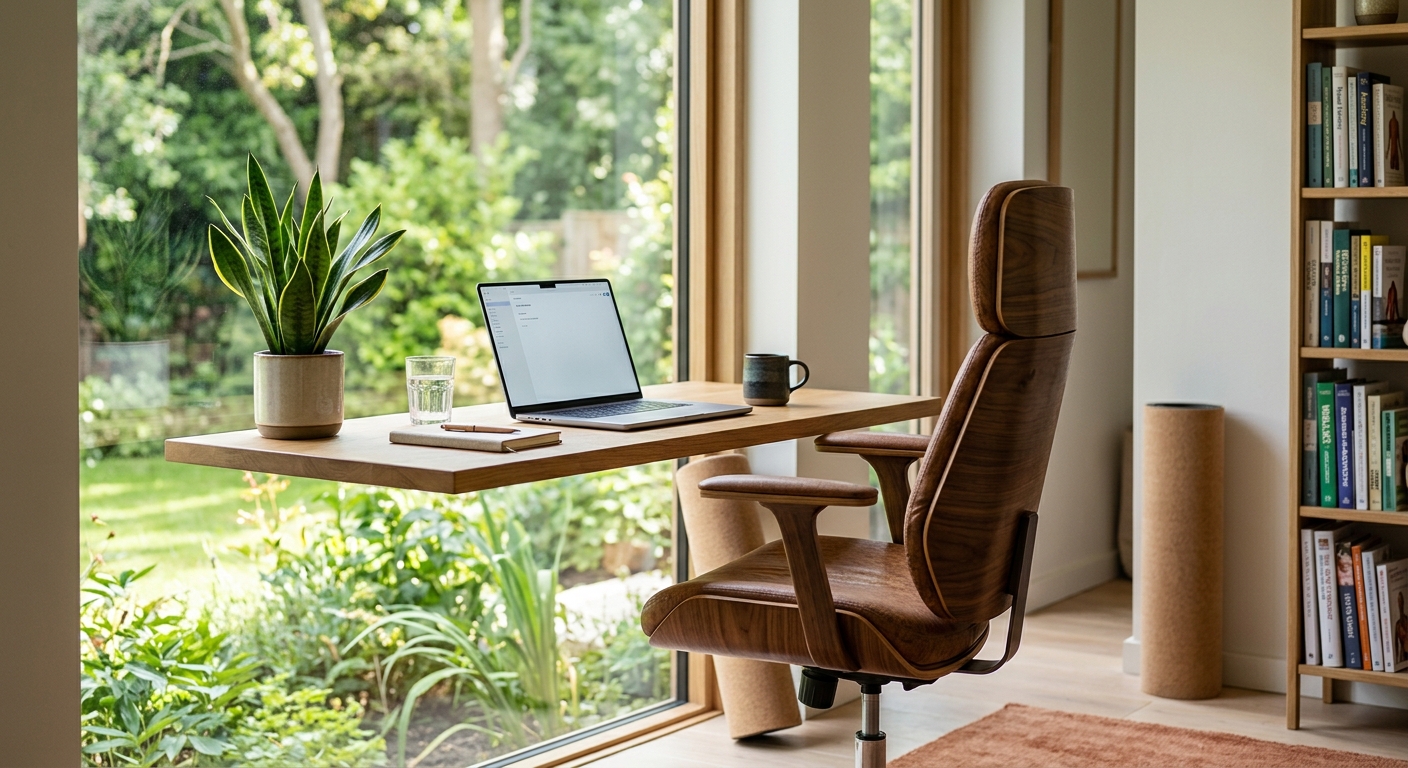
The top of your screen should sit at or slightly below eye level, roughly an arm’s length away. Your chair should support the natural lumbar curve, with hips slightly above knee height and feet flat on the floor or a footrest.
Vehicle seats deserve the same attention — a rolled towel behind the lower back during long commutes prevents the slumped position that strains discs over a 40-minute drive.
Nutrition, Inflammation and Musculoskeletal Health
Nutrition affects the spine primarily through inflammation and tissue repair capacity. Chronic low-grade inflammation, driven by diet, keeps joints and soft tissue in a persistent state of irritation that slows healing and heightens pain sensitivity.
Hydration matters more than most people expect, since intervertebral discs are roughly 80% water in a young, healthy spine, and that hydration level declines with age and dehydration habits alike.
Foods That Support Joint and Disc Health
Omega-3 fatty acids, found in oily fish, walnuts, and flaxseed, actively reduce inflammatory markers linked to joint pain. Leafy greens and colourful vegetables supply antioxidants that help offset oxidative stress in connective tissue.
Reducing processed sugar and refined carbohydrates lowers systemic inflammation, which in practice means fewer flare-ups in patients already managing chronic musculoskeletal conditions.
Sleep, Recovery and Spinal Repair
Sleep is the primary window during which spinal tissue repairs itself. Growth hormone release peaks during deep sleep, driving collagen synthesis in discs, ligaments, and cartilage that daytime activity simply breaks down.
Adults sleeping fewer than six hours nightly reported 32% higher rates of chronic musculoskeletal pain compared to those sleeping seven to nine hours, according to data from the Sleep Health Foundation. A supportive mattress, one replaced roughly every seven to ten years, and a consistent sleep schedule both meaningfully support this repair process.
Stress, Mental Load and Muscular Tension
Stress triggers a physical bracing response — shoulders rise, jaw clenches, and the neck and upper back hold tension even when there’s no physical threat present. Chronic stress means this bracing pattern never fully switches off.
I explain this connection often, because patients are surprised that a stressful work period so reliably shows up as neck and shoulder pain rather than staying “in their head.” The body keeps score, quite literally, in the trapezius and suboccipital muscles.
Breathing exercises, brief walking breaks, and simply noticing tension before it locks in all help interrupt the cycle before it compounds into a chronic pattern.
Preventing Common Conditions Before They Start
Most of the conditions I treat regularly share a common root: prolonged poor positioning combined with insufficient movement. Understanding the early warning signs of each condition lets patients intervene before a manageable issue becomes a persistent one.
Lower Back Pain, Sciatica, Neck Pain and Headaches
Lower back pain often begins as stiffness after prolonged sitting, well before any sharp pain appears. Addressing posture and movement at this stiffness stage prevents most cases from progressing further.
Sciatica frequently develops from a bulging disc pressing on the sciatic nerve, and early signs include tingling or numbness radiating down the leg rather than pain confined to the back itself. Neck pain and tension headaches share a root cause surprisingly often — forward head posture straining the same suboccipital muscles that trigger headache pain when they stay contracted too long.
Building a Long-Term Wellness Routine by Life Stage
Prevention needs differ significantly by age, occupation, and activity level. A routine built for a 25-year-old office worker looks quite different from one built for a 60-year-old retiree managing early joint changes.
Office Workers, Students, Athletes and Seniors
Office workers and students benefit most from hourly movement breaks and ergonomic desk setups, since their primary risk is prolonged static posture. Athletes need targeted mobility work and load management to prevent overuse injuries from repetitive movement patterns.
Seniors benefit from balance-focused exercise and bone-density-supporting activity, since falls risk and osteoporosis become more relevant concerns with age. Each group shares the same underlying goal — keeping the spine moving well within its natural range — even though the specific strategy shifts.
When Lifestyle Changes Aren’t Enough
Lifestyle prevention resolves a large share of minor stiffness and early discomfort, but persistent or worsening symptoms signal something lifestyle changes alone can’t fix. Pain lasting beyond two to three weeks, numbness or tingling that spreads, or symptoms that disrupt sleep and daily function all warrant a professional assessment.
A comprehensive chiropractic assessment identifies the specific mechanical cause behind symptoms that generic lifestyle advice can’t resolve on its own. Catching these patterns early, before compensation habits set in elsewhere in the body, generally means a shorter and simpler recovery process.
Conclusion
Spinal wellness comes down to consistent daily choices — posture, movement, sleep, nutrition, and stress management working together to protect the spine’s natural function.
These habits build resilience over years, not days, and small consistent changes compound into meaningfully lower pain risk over time.
We help patients turn this knowledge into a personalized prevention plan, addressing individual risk factors before they become painful conditions. Book an assessment with our team to build a spinal wellness routine designed around your life.
Frequently Asked Questions
How often should I stretch to prevent back pain?
Daily stretching, even five to ten minutes, prevents more back pain than occasional longer sessions. Consistency keeps hip flexors, hamstrings, and the thoracic spine mobile enough to reduce compensatory strain on the lower back.
Can poor posture really cause headaches?
Yes, forward head posture strains the suboccipital muscles at the base of the skull, which commonly triggers tension headaches. Correcting desk and screen positioning often reduces headache frequency within a few weeks.
What’s the best sleeping position for spinal health?
Side sleeping with a pillow between the knees or back sleeping with knee support both keep the spine in a neutral position overnight. Stomach sleeping forces prolonged neck rotation and is worth avoiding where possible.
Does diet actually affect back pain?
Diet influences systemic inflammation, and higher inflammation levels heighten pain sensitivity in already-irritated joints and soft tissue. Omega-3-rich foods and reduced processed sugar intake both support lower inflammatory load.
How much movement do I need each day to protect my spine?
Around 20 to 30 minutes of low-impact movement daily keeps spinal discs adequately nourished, since discs rely on movement for nutrient exchange. Walking, swimming, and cycling all count toward this target.
When should I stop trying lifestyle changes and see a professional?
Symptoms lasting beyond two to three weeks, spreading numbness or tingling, or pain disrupting sleep all warrant a professional assessment. Early evaluation typically leads to a simpler, shorter recovery process.
Can stress alone cause muscle pain without any injury?
Yes, chronic stress triggers sustained muscular bracing in the neck, shoulders, and jaw even without any physical injury present. This tension pattern accumulates over time into genuine, persistent pain.
Is office ergonomics really that important for spinal health?
Ergonomics determines whether good posture requires constant conscious effort or happens naturally throughout the day. Correct screen height and chair support alone resolve a meaningful share of desk-related neck and back strain.
Do seniors need a different prevention approach than younger adults?
Yes, seniors benefit more from balance training and bone-density-supporting activity due to increased falls risk and osteoporosis concerns. Younger adults typically prioritize movement breaks and posture correction instead.