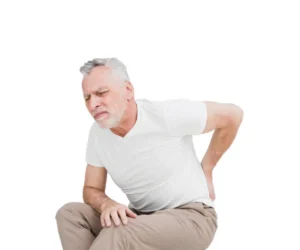


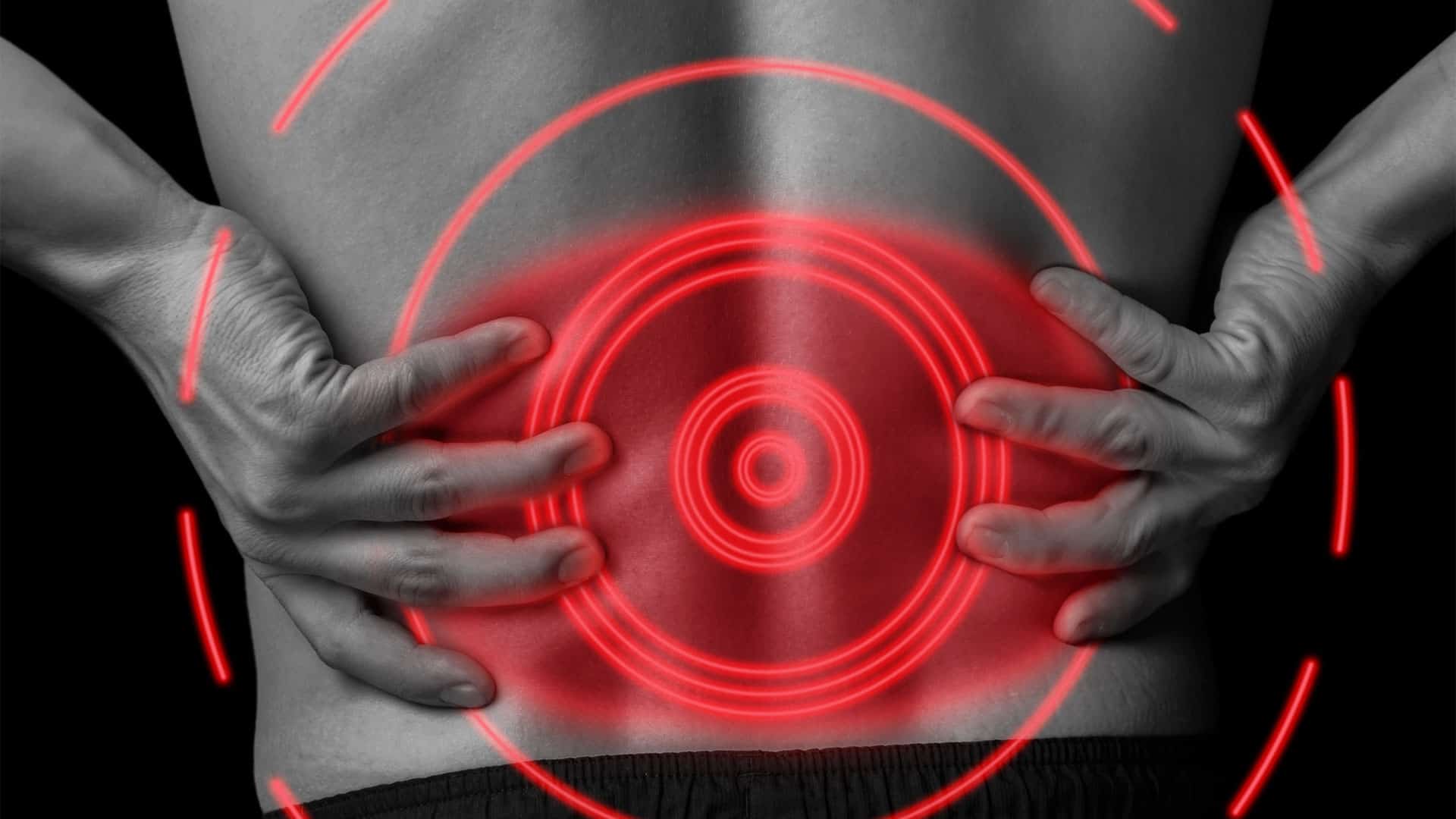
Lower back pain rarely feels the same from one person to the next. The location, the type of pain, and the pattern all point to different causes. Pain on the left side means something different from pain that shoots down the leg. A sharp, stabbing sensation suggests a different problem than a deep, constant ache.
Spine and Posture Care in Sydney CBD treats patients across the full range of lower back pain symptoms. This guide breaks down the most common patterns, what they mean, and when to act.
Lower Back Pain on the Left Side
Left side lower back pain is one of the most common patterns patients report. The pain usually sits between the bottom rib and the top of the pelvis, focused on the left.
Common Causes of Left Side Lower Back Pain
Pain in the lower left back often comes from a muscle strain or joint sprain. The quadratus lumborum and erector spinae muscles on the left can tighten or tear from awkward moves, heavy lifting, or prolonged sitting. This type of pain is usually a deep ache that gets worse with bending, twisting, or standing up.
Facet joint irritation on the left at L4-L5 or L5-S1 produces localised pain. It gets worse with backward bending and rotation toward the affected side. Disc problems at these same levels can send pain into the left buttock or down the left leg.
Sacroiliac joint dysfunction on the left is another common source. The pain sits low, just above the left buttock. It often feels worse after standing for a long time or climbing stairs. The lower back pain causes guides to cover each condition in more detail.
Left Side Lower Back Pain in Women vs Men
Lower left back pain in women can share the same muscular causes as men. But several extra factors apply. Menstrual cramping can refer to pain into the lower left back. Endometriosis, ovarian cysts, and uterine conditions can produce left-sided pelvic pain that spreads into the lumbar spine. Pregnancy hormones loosen the pelvic ligaments and reduce joint stability. This raises the risk of left-sided strain.
Lower left back pain in men is more often tied to muscle strain, disc problems, or facet joint irritation. Kidney stones on the left side can mimic lower back pain in both sexes. The pain is sharp and wave-like, wrapping from the lower left back toward the groin.
Sharp and Sudden Lower Back Pain
Sharp lower back pain that hits fast is alarming. It often stops people mid-movement. The natural response is to freeze and guard the area. Spine and Posture Care sees this pattern daily in Sydney CBD, and knowing what sharp and sudden pain signals helps separate minor strain from something more serious.
What Sharp Lower Back Pain Feels Like
Sharp pain in the lower back is a stabbing or piercing feeling in one spot. A single movement often triggers it. Bending to pick something up, twisting while carrying a load, or standing up too fast are common triggers.
A sharp, stabbing pain that stays in one spot usually points to a facet joint sprain or an acute muscle tear. Sharp pain that moves into the buttock or down the leg suggests nerve involvement. This can mean a disc bulge pressing on a lumbar nerve root. The bulging disc symptoms in the lower back page covers the signs of disc-related compression.
Shooting pain that fires across the lower back or down one leg follows a nerve path. It most commonly runs along the back of the thigh and into the calf or foot.
Sudden Lower Back Pain That Comes Out of Nowhere
Sudden lower back pain without an obvious trigger catches many people off guard. One moment the back feels fine. The next, a sharp spasm locks the lower spine.
This pattern is common in people who sit for long periods or carry weak core muscles. The lumbar spine can tolerate disc wear and joint changes for months without pain. Then a minor movement pushes a borderline segment past its limit. Reaching for a cup. Turning in bed. Standing up from a chair. The pain feels sudden, but the underlying problem has been building for weeks.
Sudden lower back pain in women can also relate to ovulation or menstrual changes. A proper assessment sorts out whether the pain is from the spine or has a different origin.
Lower Back Pain Symptoms in Women
Women get lower back pain at higher rates than men across most age groups. Hormones, pregnancy, pelvic anatomy, and conditions tied to the reproductive system all play a role.
Menstrual-related lower back pain is one of the most common patterns. The pain usually starts a day or two before the period. It sits across the lower back and pelvis. Prostaglandin release triggers uterine contractions that refer pain into the lumbar spine. The discomfort is usually on both sides, dull, and it eases as the period goes on.
Pregnancy places heavy strain on the lower back. The growing uterus shifts the centre of gravity forward and increases the lumbar curve. This loads the facet joints, sacroiliac joints, and lumbar discs. Relaxin, a hormone released during pregnancy, softens the pelvic ligaments. This makes the lower back more prone to strain during standing, walking, and lifting.
Endometriosis, ovarian cysts, and uterine fibroids can all produce chronic lower back pain. This pain may look like a musculoskeletal problem but does not respond to physical treatment. Persistent lower back pain in women that does not improve with care warrants a GP visit to rule out gynaecological causes.
Lower Back Pain on the Right Side
Right side lower back pain follows many of the same patterns as left-sided pain. Muscle strain, facet joint irritation, disc problems, and sacroiliac joint dysfunction can all produce right-sided symptoms.
Right Side Pain Above the Buttocks
Lower back pain on the right side above the buttocks is a frequent complaint. This area sits over the sacroiliac joint and the L5-S1 facet joint. Pain here often gets worse with prolonged standing, walking uphill, or rolling over in bed. It may feel deep and hard to pinpoint.
Right-sided lower back pain in men is often linked to work habits. Repetitive twisting or lifting that favours one side creates uneven strain through the lumbar spine. Over time, the joints, discs, and muscles on the loaded side wear down faster.
The appendix sits on the right side. Appendicitis can present as right-sided lower back pain in its early stages. Kidney infections and stones on the right can also mimic back pain. Any right-sided pain with fever, nausea, or urination changes needs medical review.
When Lower Back Pain Spreads to the Hip, Buttock, or Leg
Lower back pain that stays in one spot is easier to manage than pain that travels. Once it spreads into the hip, buttock, or leg, the cause usually involves nerve compression or referred pain.
Back and hip pain together is a common pairing. The hip and the lower lumbar spine share nerve supply and muscle links. A stiff lumbar spine can overload the hip. A tight hip can pull on the pelvis and strain the back. Testing both regions is the only way to find which started the problem.
Pain that runs from the lower back into the buttock and down the back of the leg follows the sciatic nerve. This is the hallmark of sciatica symptoms. A disc bulge at L4-L5 or L5-S1 pressing on the L5 or S1 nerve root is the most common cause.
Pain into the groin from the lower back is less common but flags specific conditions. Sacroiliac joint issues, upper lumbar disc problems (L1-L3), and hip joint wear can all send pain to the front of the groin.
Lower Back Pain Symptoms by Type: Quick Reference Table
| Symptom Pattern | Feels Like | Common Causes | Typical Location |
|---|---|---|---|
| Dull, constant ache | Deep, heavy pressure | Muscle strain, disc wear, postural fatigue | Broad area across lower back |
| Sharp, stabbing pain | Piercing, knife-like | Facet joint sprain, acute muscle tear | One specific spot |
| Shooting or radiating pain | Lightning bolt, electric | Disc herniation, nerve root compression | Lower back into buttock, leg, or foot |
| Pain that comes and goes | Intermittent, position-based | Facet syndrome, SI joint dysfunction | Left or right side, above buttock |
| Burning or tingling | Pins and needles, hot feeling | Nerve irritation, radiculopathy | Down the leg, into the foot |
| Stiffness without sharp pain | Locked, tight, restricted | Joint fixation, chronic muscle guarding | Full lower back, worse in the morning |
| Pain with weakness | Heavy leg, foot drop | Major nerve compression | Leg, ankle, or foot |
Red Flag Symptoms That Need Urgent Medical Attention
Most lower back pain is mechanical and gets better with the right care. But a small number of symptoms signal serious conditions that need urgent attention.
Unexplained weight loss combined with persistent lower back pain can point to tumour or systemic infection. Loss of bladder or bowel control alongside back pain may signal cauda equina syndrome. This is a rare condition where nerves at the base of the spine are severely compressed. It needs emergency treatment.
Severe leg weakness that affects walking needs prompt assessment. So does numbness across the inner thighs, groin, and buttocks (the saddle area). Lower back pain after a major trauma like a fall or car crash also warrants immediate care.
Pain that does not improve at all over several weeks, or pain that steadily gets worse, should be looked at further. A practitioner can determine whether imaging, blood work, or a specialist referral is needed.
How a Sydney Chiropractor Assesses Lower Back Pain Symptoms
The symptoms in this guide can overlap between conditions. Sharp pain on the left side could come from a facet joint, a disc, a muscle, or a kidney. The only way to know is a structured clinical assessment.
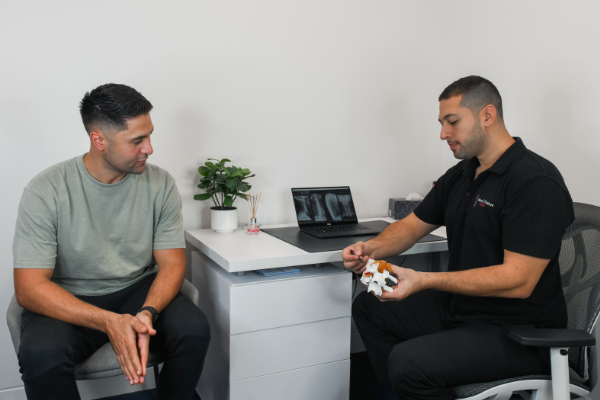
At Spine and Posture Care in Sydney CBD, every new patient gets a detailed exam. The assessment starts with a full history. Symptom onset, location, what makes the pain better or worse, and any previous treatment are all mapped out. Hands-on orthopaedic and neurological testing identifies which segments, muscles, and nerves are involved.
Range of motion testing shows where movement is blocked. Palpation finds areas of joint lockup, muscle spasm, and tenderness. Nerve screening confirms or rules out nerve root compression. Digital posture analysis gives a baseline for tracking progress through lower back pain treatment.
The goal is to match the symptom pattern to a specific cause, then build a treatment plan around that finding.
Conclusion
Lower back pain symptoms are signals. Left-sided pain, sharp pain, sudden onset, and radiating leg pain all point to different causes. Knowing what each pattern means helps separate a minor strain from a condition that needs clinical care.
Spine and Posture Care has treated the full range of lower back presentations in Sydney CBD since 2013. Patients who also deal with posture-related pain from desk work can explore the lower back pain when sitting guide.
Frequently Asked Questions
What does lower back pain on the left side mean?
Lower back pain on the left side most commonly comes from muscle strain, facet joint irritation, or sacroiliac joint dysfunction. The quadratus lumborum and erector spinae on the left can tighten or tear from poor posture, heavy lifting, or awkward movements. Facet joint sprains at L4-L5 or L5-S1 create localised pain that gets worse with backward bending and rotation. Sacroiliac joint dysfunction causes pain just above the left buttock that worsens with standing or climbing stairs. Disc bulges at the lower lumbar levels can also send pain from the left lower back into the left buttock or down the leg. In women, left-sided lower back pain can relate to menstrual cramping, endometriosis, or ovarian conditions. Kidney stones on the left can mimic back pain with sharp, wave-like discomfort that wraps toward the groin. A clinical exam with orthopaedic and neurological testing is the best way to find the source.
What causes sudden lower back pain without an obvious injury?
Sudden lower back pain without a clear trigger usually comes from a minor movement that pushes a worn spinal segment past its limit. The lumbar spine can carry disc wear, facet joint changes, or muscle weakness for months without symptoms. Then a small action like reaching, turning in bed, or standing up triggers an acute spasm or joint lockup. Prolonged sitting, weak core muscles, and poor posture all raise the risk. In women, sudden onset can also connect to ovulation, menstrual changes, or pelvic conditions. The pain feels sudden, but the underlying problem has often been building gradually. Early assessment shortens recovery and finds the structural cause so it can be fixed before repeating.
When should I worry about lower back pain symptoms?
Most lower back pain is mechanical and settles within a few weeks with proper care. Pain lasting beyond two weeks despite self-care deserves attention. So does pain that travels into the leg with numbness or tingling, leg weakness that affects walking, and morning stiffness lasting more than an hour. Urgent red flags include loss of bladder or bowel control, numbness across the inner thighs and groin, unexplained weight loss with persistent pain, severe pain after a fall, and pain that steadily gets worse. Lower back pain with fever and nausea also needs prompt investigation. A clinical assessment can quickly tell whether symptoms are mechanical or need imaging, blood work, or a specialist referral.
Why do women get lower back pain more often than men?
Women experience higher rates of lower back pain due to hormonal, anatomical, and reproductive factors. Monthly hormonal shifts cause prostaglandin release during menstruation. This triggers uterine contractions that refer pain into the lower back. Pregnancy shifts the centre of gravity forward and loads the facet joints and sacroiliac joints. Relaxin softens pelvic ligaments and reduces joint stability. Endometriosis, ovarian cysts, and uterine fibroids can produce chronic lower back pain that looks like a muscle problem. Postmenopausal bone density loss raises the risk of spinal compression fractures. Women with persistent lower back pain that does not improve with physical treatment should investigate gynaecological or hormonal causes through a GP alongside any musculoskeletal care.
What does sharp pain in the lower back indicate?
Sharp lower back pain usually points to one of three causes. A facet joint sprain produces sharp, localised pain at one spinal level. It gets worse with backward bending and rotation. An acute muscle tear creates sharp pain at the injury site, often after a sudden lift or twist. A disc bulge pressing on a nerve root produces sharp pain that may travel into the buttock, thigh, calf, or foot. The path follows the compressed nerve, most often the L5 or S1 root. Sharp pain that stays in one spot and changes with specific movements is usually a joint or muscle issue. Sharp pain that shoots or travels into the leg suggests nerve involvement. Both respond to chiropractic care, though the treatment approach is different.
Can a chiropractor in Sydney help with lower back pain symptoms?
A chiropractor tests which joints, muscles, and nerves are producing the symptoms. The first visit includes a full history, orthopaedic and neurological testing, range of motion checks, palpation, and digital posture analysis. This process pinpoints whether pain comes from a facet joint, disc, muscle strain, sacroiliac joint, or nerve compression. Treatment is built around the specific finding. Spinal adjustment restores motion to locked joints. Soft tissue therapy releases tight muscles. Rehab exercises build strength and stability to prevent the problem from coming back. At the clinic in Sydney CBD, every plan includes clear milestones for pain reduction, better movement, and functional recovery. Patients are checked at regular intervals to track real progress.