


One of the most common questions at the front desk of any chiropractic clinic in Sydney is some version of: does Medicare cover this? The question usually comes up right after the first appointment, when a patient is deciding whether to continue with care and wondering what the ongoing cost will look like.
Spine and Posture Care hears it at both its Sydney CBD locations, and the answer involves more than a simple yes or no. Chiropractic care in Sydney CBD is accessible through several payment pathways, and understanding each one helps patients make informed decisions before they commit to a treatment plan.
The Short Answer for Sydney Patients
Medicare does not automatically cover standard chiropractic visits. Patients cannot walk in, present a Medicare card, and receive a rebate for a routine adjustment. That is not how Medicare works for allied health services.
However, there is a specific pathway that does allow Medicare rebates for chiropractic. Patients with a chronic back pain treatment or other chronic musculoskeletal condition may be eligible for up to five subsidised allied health sessions per calendar year. These sessions are funded through a GP Chronic Condition Management Plan. This is commonly called a GPCCMP, or by its older names: CDM plan, EPC plan, or GP Management Plan.
Outside this pathway, chiropractic is treated as a private health service. The full consultation fee applies, with no Medicare contribution. Private health extras cover is the main alternative for reducing out-of-pocket costs in that case.
What Is the GPCCMP and How Does It Work in 2026?
The GPCCMP is the current Medicare framework for coordinating care for patients with chronic conditions. It replaced the older GP Management Plan (GPMP), Team Care Arrangement (TCA), and Enhanced Primary Care (EPC) plan structures as of 1 July 2025. The change simplified the system into a single plan type, but the core entitlement remains the same: up to five allied health sessions per calendar year with a Medicare rebate.
Chiropractic is a listed eligible service under the GPCCMP. Spine and Posture Care is a registered allied health provider, and patients can ask their GP to refer them to a back pain chiropractor in Sydney directly when the plan is prepared.
What Qualifies as a Chronic Condition?
A chronic condition is defined as one that has lasted, or is expected to last, at least six months. Common qualifying conditions include chronic lower back pain, neck pain, osteoarthritis, scoliosis, and other ongoing musculoskeletal problems. The GP makes the final clinical determination. Not all back pain qualifies. A recent acute injury or a short-term sprain is unlikely to meet the threshold, but a condition that has been present for six months or more typically does.
The Step-by-Step Process
Step 1: Book an appointment with a GP. The patient discusses the chronic condition and whether a GPCCMP is appropriate. MyMedicare-registered patients must access the plan through their registered practice.
Step 2: The GP prepares the plan. The GP documents the condition, treatment goals, and which allied health services are appropriate. Chiropractic is specified in the plan if that is the intended referral.
Step 3: A referral letter is issued. The referral is addressed to the chiropractic provider. It is valid for 18 months from the first service date if no timeframe is stated.
Step 4: Book chiropractic appointments. The patient brings the referral to the clinic. The chiropractor processes the Medicare rebate at the time of the visit, typically through HICAPS or online claiming.
Step 5: Track the five sessions. The five sessions are shared across all allied health services on the plan. A patient seeing both a chiropractor and a physiotherapist under the same plan uses sessions from the same five-session pool.
Important 2026 note: Patients who had an older GPMP or TCA in place before 1 July 2025 can continue accessing services under those plans until 30 June 2027. No immediate action is required, but new plans from mid-2025 onwards are issued as GPCCMPs.
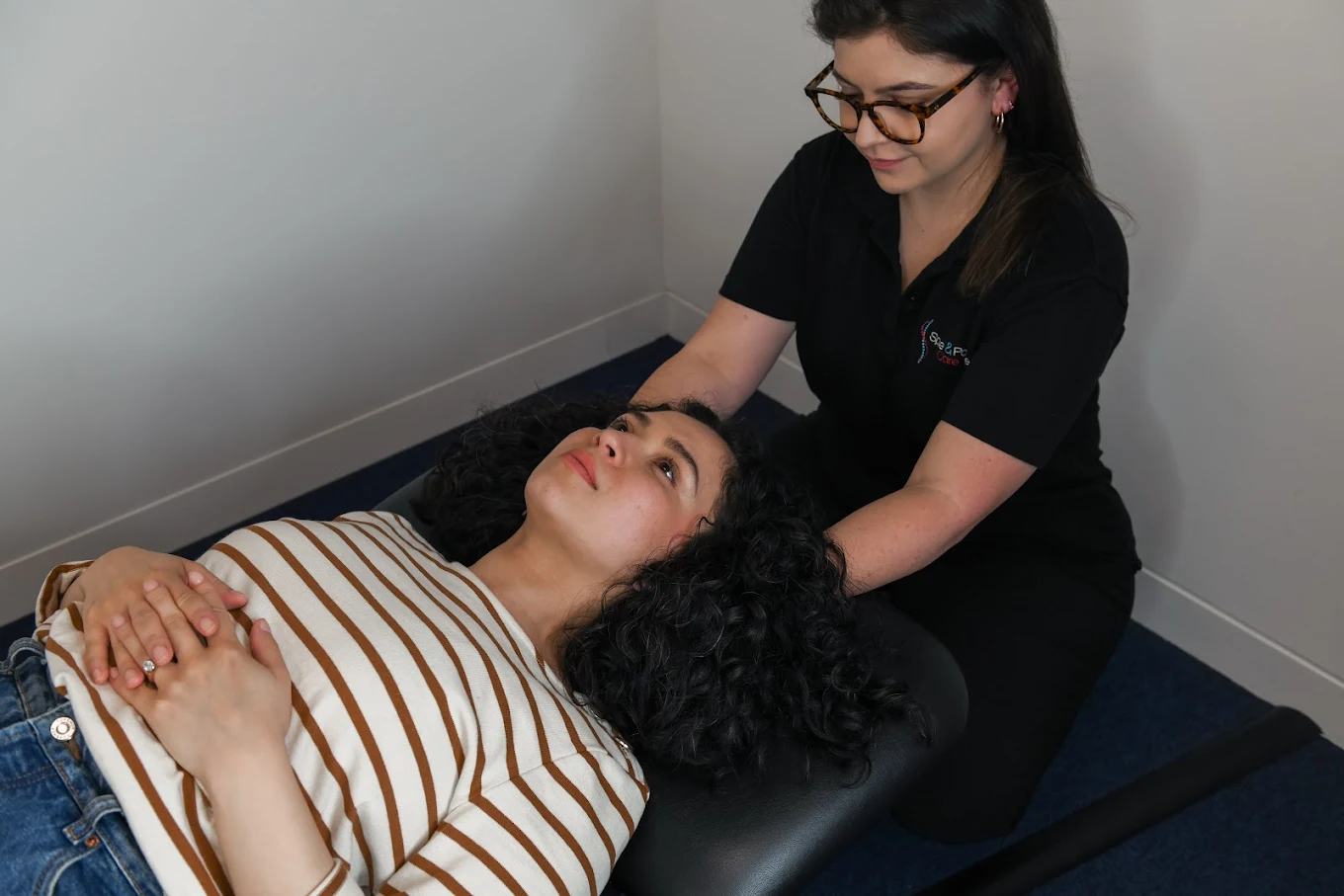
What the Medicare Rebate Actually Covers
The Medicare rebate for chiropractic under the GPCCMP is approximately $56 to $62 per session as of 2026, following the July 2025 MBS indexation. This figure is reviewed annually, so patients should confirm the current rebate amount with their clinic or Services Australia before planning their care budget.
Most chiropractic clinics in Sydney CBD charge between $80 and $120 for a standard consultation. That creates a gap payment of between $20 and $60 per session, depending on the clinic’s fee structure. Some providers choose to bulk bill GPCCMP patients, meaning they accept the Medicare rebate as full payment with no out-of-pocket cost. This is less common in inner-city Sydney where clinic overheads are higher.
The five sessions are a calendar-year entitlement, running from 1 January to 31 December. Sessions do not roll over. Any unused sessions at year end are forfeited.
| Payment Type | What It Covers | Gap Payment |
|---|---|---|
| GPCCMP (Medicare) | ~$56-62 per session, up to 5 per year | Clinic fee minus rebate |
| Bulk billing (some providers) | Full session cost covered by Medicare | $0 |
| Private health extras | Varies by fund and policy tier | Clinic fee minus fund rebate |
| Full private fee | No rebate | Full clinic fee |
Private Health Insurance for Chiropractic in Sydney
Private health extras cover is the main way patients without a GPCCMP offset chiropractic costs. It also supplements Medicare sessions for patients who need more than five visits per year. At Spine and Posture Care, patients with extras cover can process their claim in clinic through HICAPS at the time of the appointment.
Most mid-range extras policies cover between $300 and $600 per year for chiropractic, with per-visit limits that typically range from $30 to $55. Higher-tier policies may offer up to $800 or more annually. The per-visit cap is usually the binding constraint rather than the annual limit for patients who attend regularly.
Watch for combined limits. Many policies pool chiropractic with physiotherapy, osteopathy, and remedial massage under a single musculoskeletal or body therapies category. Claiming across multiple therapies from the same pool depletes the annual limit faster.
Waiting periods. Most funds apply a standard two-month waiting period on extras cover before chiropractic claims can be made. New members joining specifically for chiropractic cover should factor this in.
Annual limit reset dates. Most funds reset annual limits on 1 January or 1 April. Patients who join close to a reset date may have limited time to claim before the limit refreshes.
Unsure which payment pathway applies? Call (02) 8040 9922 or get in touch here and the team at our Sydney CBD clinic can clarify costs and help with the booking process.
Other Payment Pathways: DVA, WorkCover, and CTP
DVA Gold Card holders receive chiropractic care covered at no cost, provided the treating chiropractor is a registered DVA provider and the treatment is for an accepted condition or general health care. DVA White Card holders can access chiropractic for specific accepted conditions listed on their card.
WorkCover NSW. Chiropractic treatment for a workplace injury is covered through the icare workers compensation scheme in NSW. The treating GP or specialist must certify the injury and the treatment plan. The clinic invoices icare directly. There is no out-of-pocket cost to the patient for approved treatment.
CTP insurance. If a musculoskeletal injury results from a motor vehicle accident in NSW, chiropractic treatment may be covered under the Compulsory Third Party insurance scheme administered by SIRA. The treating practitioner must document the connection between the accident and the injury.
Eligibility: A Quick Reference Guide
| Criteria | Eligible | Not Eligible |
|---|---|---|
| Condition duration | Chronic: present for 6+ months | Acute: recent injury, short-term |
| Who prepares the plan | GP or prescribed medical practitioner | Any other provider |
| Referral required | Yes, GP must issue a referral letter | Without referral: no rebate |
| Sessions per year | Up to 5 (shared across all allied health) | Beyond 5: full private fee applies |
| MyMedicare registration | Plan accessed via registered practice | Non-registered: usual GP clinic |
| Provider type | Must be a registered Medicare provider | Unregistered providers: no rebate |
| Condition examples | Chronic back pain, osteoarthritis, chronic neck pain | Acute sprain, recent injury under 6 months |
Options Without a Chronic Condition
Patients without a qualifying chronic condition can still access chiropractic care as a private service. There is no Medicare rebate in this pathway, but private health extras cover applies for policyholders. For new patients at Sydney CBD clinics, a new patient offer is typically available to reduce the cost of the initial consultation and assessment. This is worth confirming with the clinic before booking.
Patients who develop a chronic condition over time, or whose acute condition becomes chronic, can revisit their GP to discuss whether a GPCCMP has become appropriate. The threshold is six months duration or expected duration.
How to Maximise Cover Each Year
For patients using both Medicare and private health insurance, there is a straightforward approach to maximise value across the year. Use the five GPCCMP sessions first. Once those are exhausted, switch to claiming through private health extras for any additional sessions. This preserves the extras limit for the portion of the year beyond the Medicare allocation.
Book the GP appointment in November or December to have the GPCCMP and referral in place before the calendar year turns. Sessions reset on 1 January. Arriving at the new year with a referral already prepared means the first sessions of the year can begin immediately without waiting for a GP appointment.
Review the private health fund’s reset date. If the annual extras limit resets on 1 April, there may be an opportunity to claim both a final session before the reset and an early session after, within the same short window.
When to See a Chiropractor in Sydney
The Medicare eligibility question is often asked by patients who are already in pain and are weighing up whether to proceed with care. Cost is a real consideration. But delayed treatment for chronic musculoskeletal conditions tends to increase the total treatment required, not reduce it. A condition that has been present for six months can typically be addressed within fewer sessions than one that has been present for two years.
Services Australia is the official source for current GPCCMP eligibility requirements, rebate amounts, and provider registration details. Rebate figures are subject to annual MBS indexation, and this page reflects the most current information.
Patients who are unsure whether they qualify for a GPCCMP should raise the question with their GP at the next available appointment. The conversation takes a few minutes and determines whether the Medicare pathway is available before any out-of-pocket costs are incurred.
Conclusion
Medicare can cover chiropractic in Australia, but only through the GPCCMP pathway, only for patients with a qualifying chronic condition, and only for up to five sessions per calendar year. Outside that pathway, private health extras cover and full private fees are the available options. DVA card holders and patients with workplace or CTP injuries have separate funded pathways available.
For Sydney CBD patients managing ongoing back pain, neck pain, or musculoskeletal conditions, the GPCCMP pathway meaningfully reduces the annual cost of ongoing care. Understanding the full breakdown of chiropractor costs in Sydney alongside the available rebates helps patients plan treatment without unexpected bills. Spine and Posture Care accepts patients under the GPCCMP at both its Macquarie Street and Barangaroo locations and can process Medicare and private health claims in clinic.
For questions about costs, payment pathways, or how to arrange a GPCCMP referral before booking, call Spine and Posture Care on (02) 8040 9922 or contact the clinic directly.
For questions about costs, payment pathways, or how to arrange a GPCCMP referral before booking, call Spine and Posture Care on (02) 8040 9922 or contact the clinic directly.
Disclaimer: This article provides general information about Medicare and chiropractic in Australia as of 2026. Medicare rebate amounts and eligibility rules change regularly. Always confirm current details with Services Australia, your GP, or your health fund before making decisions about your care.
Frequently Asked Questions
Does Medicare cover chiropractic in Australia in 2026?
Medicare does not cover standard chiropractic visits in Australia. However, patients with a qualifying chronic musculoskeletal condition can access up to five subsidised chiropractic sessions per calendar year through a GP Chronic Condition Management Plan (GPCCMP). The GP prepares the plan and issues a referral. The Medicare rebate for each session is approximately $56 to $62 as of 2026, though this is subject to annual MBS indexation. Patients should confirm the current rebate amount with their clinic or Services Australia. Outside the GPCCMP pathway, private health extras cover or full private fees apply.
What is the GPCCMP and how is it different from the old CDM or EPC plan?
The GP Chronic Condition Management Plan (GPCCMP) replaced the old GP Management Plan, Team Care Arrangement, and Enhanced Primary Care plan structures on 1 July 2025. The core patient entitlement is unchanged: up to five allied health sessions per calendar year with a Medicare rebate. The main administrative change is that the old requirement to consult with multiple collaborating providers has been removed. GPs now refer patients directly to allied health services without needing a multidisciplinary team structure. Patients who had an older GPMP or TCA in place before 1 July 2025 can continue using those plans until 30 June 2027.
How many chiropractic sessions does Medicare cover per year?
Under the GPCCMP, Medicare covers up to five individual allied health sessions per calendar year. These five sessions are shared across all allied health services on the plan. A patient who sees a chiropractor for three sessions and a physiotherapist for two sessions has used all five for the year. Sessions reset on 1 January each calendar year and do not roll over. Patients of Aboriginal or Torres Strait Islander descent are entitled to ten sessions per year rather than five.
Can I use private health insurance and Medicare for chiropractic at the same time?
A patient cannot claim both Medicare and private health insurance for the same visit. Double-dipping is not permitted. However, both can be used across different visits within the same year. The practical approach is to use the five GPCCMP sessions first and claim the Medicare rebate for those visits. Once those are used, switch to private health extras for any sessions beyond the Medicare allocation. This maximises the value of both entitlements across the calendar year.
Do I need a referral to see a chiropractor in Sydney?
No referral is required to see a chiropractor in Sydney for private chiropractic care. Any patient can book directly and pay the full consultation fee, with private health extras cover applying if the patient holds an eligible policy. A GP referral is only required when accessing the Medicare rebate under the GPCCMP pathway. Without the GPCCMP referral, Medicare does not contribute to the cost of the visit.