

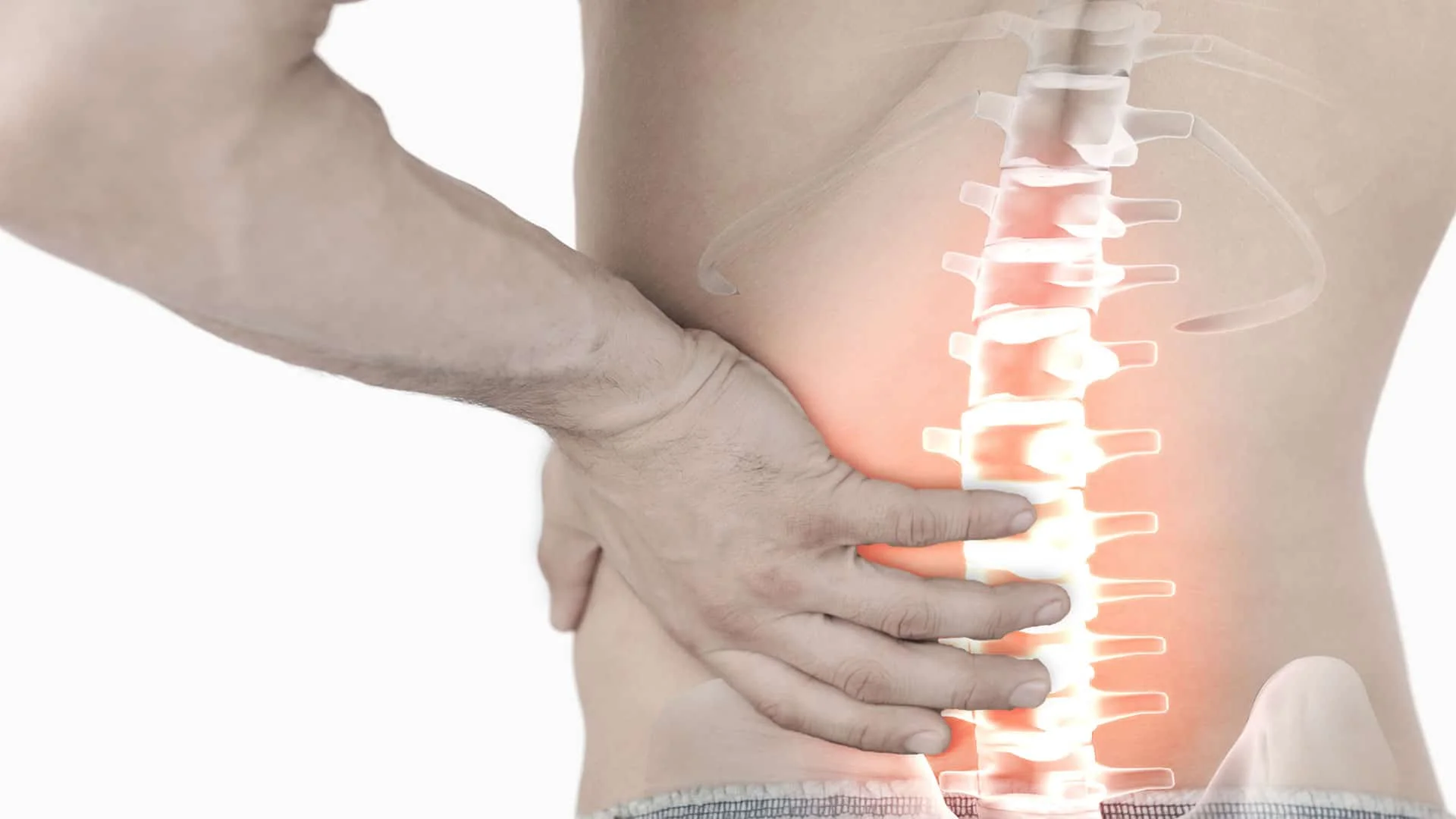
Deadlifts build serious strength, yet they injure more backs than almost any other lift. Poor technique, not the exercise itself, is usually why deadlifts cause back pain. Skilled chiropractic treatment for back pain at Spine & Posture Care in Sydney helps lifters correct it and recover.
Why Deadlifts So Often Lead to Lower Back Pain
The deadlift loads the spine heavily while the entire body bends forward over the bar. Done well, strong hips and a braced core carry that heavy load safely and smoothly through the pull. Done poorly, the lower back quietly takes over and absorbs stress it was never built to handle.
Every step toward heavier weights magnifies the effect of even a small, hidden technique fault. A minor rounding that feels harmless when light becomes genuinely risky once the bar is loaded heavily. The spine tolerates plenty, but repeated poor lifting slowly wears it down over weeks and months.
How a Rounded Back Damages the Spinal Discs
Rounding the lower back under a heavy load is easily the single biggest problem for most lifters. A curved spine shifts that force onto the vulnerable discs instead of the strong muscles built to lift. Over time, this repeated stress can lead to a bulging disc injury and lasting pain.
The discs sit between the vertebrae and act as shock absorbers during every heavy movement made. Loading them while rounded squeezes them unevenly toward the vulnerable back edge of the lower spine. That is exactly where discs bulge or herniate, so keeping a neutral spine protects them well.
Common Deadlift Mistakes That Put the Back at Risk
Most deadlift back pain traces back to a handful of repeated technique mistakes. The chiropractors at Spine & Posture Care see these same patterns in local lifters every week. Correcting even one of them often settles a grumbling lower back within days. The most common faults are these:
- Rounding the lower back off the floor
- Letting the bar drift away from the body
- Lifting too heavy before the technique is ready
- Tight hamstrings limiting a proper hip hinge
- Weak glutes that fail to drive the lift
Why a Weak Core and Poor Bracing Matter
A braced core turns the whole trunk into a solid, protective cylinder around the entire spine. Without that firm brace, the spine flexes under load and the discs quietly take all the punishment. Building a strong core for lifting is absolutely essential for a safe, heavy deadlift.
Bracing starts with a deep breath drawn right down into the belly before every heavy pull. This creates strong internal pressure that stiffens the trunk and firmly supports the lower spine. Holding that pressure through the whole lift keeps everything locked, neutral and stable under the load.
How to Fix Deadlift Setup and Lifting Technique
Good deadlift technique starts well before the bar ever leaves the floor beneath you. A solid, repeatable setup makes holding a neutral spine far easier under heavy load. Rushing that setup is one of the most common and avoidable causes of injury. Work through these setup and lifting cues:
- Set the bar over the midfoot, close to the shins
- Take a deep belly breath and brace the core hard
- Position the shoulders just in front of the bar
- Push the floor away and drive the hips forward
- Keep the bar touching the legs the whole way up

Warming Up and Programming to Protect the Back
Cold muscles and reckless loading cause a surprisingly large share of all deadlift injuries. A proper warm-up with several lighter sets prepares the hips, core and spine for the heavy work. This raises tissue temperature and grooves the movement pattern well before the working sets begin.
Sensible programming matters just as much as any single hard lifting session ever really does. Building weight up slowly beats chasing quick personal bests that outpace your current technique. Deload weeks and regular rest days give the back real time to recover, adapt and grow stronger.
Struggling with back pain after deadlifts? A focused assessment finds the fault behind it and builds a clear plan to fix it. Call (02) 8040 9922 or book a lifting assessment online to keep training safely.
A Quick Reference Table of Faults and Fixes
This table pairs each common deadlift fault with a simple, practical fix to apply today. Use it as a quick starting guide for your training rather than a personal diagnosis of pain. A hands-on assessment is still the safest way to confirm exactly what is driving any lifting injury.
| Common Fault | Why It Hurts the Back | Simple Fix |
|---|---|---|
| Rounded lower back | Loads the discs unevenly | Brace and keep a neutral spine |
| Bar drifting forward | Increases spinal leverage | Keep the bar close to the body |
| Weak or lazy bracing | The trunk loses support | Breathe deep and brace hard |
| Ego lifting | Technique breaks under load | Build weight up gradually |
| Tight hamstrings | Forces the back to round | Add mobility and hinge drills |
When Deadlift Back Pain Needs a Professional Assessment
Some deadlift back pain settles quickly with rest and lighter, more careful training over a few weeks. Other cases clearly need a proper assessment to avoid turning a strain into lasting spinal damage. Knowing the lower back pain warning signs helps lifters act early at the right time.
Sharp pain during a heavy lift is a clear signal to stop the session immediately. Pain that lingers beyond a couple of weeks, or keeps returning each session, also deserves attention. Pain spreading into a leg, with numbness or weakness, should never simply be pushed through in training.
How a Chiropractor Assesses and Treats Deadlift Back Injuries
A chiropractor carefully assesses the spine, hips and movement before any treatment plan begins. This finds the true underlying cause of the pain rather than simply guessing from the symptoms. It also reveals whether tight hips, weak glutes or a weak core quietly drove the injury.
For general recovery, healthdirect explains the basics of recovering from a back injury clearly. A chiropractor adds hands-on treatment alongside specific, practical deadlift technique coaching sessions. The team at Spine & Posture Care rebuilds strength safely and helps stop the injury returning.
Lifting Safely for a Strong and Pain-Free Back
Deadlifts do not have to cause any back pain when they are performed correctly and patiently. A neutral spine, a braced core and sensible loading protect the lower back on every single rep. Master these basics, and the deadlift becomes one of the safest strength lifts available anywhere.
The team at Spine & Posture Care helps Sydney lifters train hard and heavy without regular injury. Knowing how long a back injury takes to heal also sets clear, realistic recovery expectations. With good technique and expert support, strong lifting stays pain-free for the long term ahead.
Spine & Posture Care runs two Sydney CBD clinics, on Macquarie Street and at Barangaroo, open six days each week. Book a lifting-focused assessment through the contact page or call (02) 8040 9922 to lift safely. Fixing your technique early protects the back for many years to come.
Frequently Asked Questions
1. Why does my lower back hurt after doing deadlifts?
Your lower back most likely hurts after deadlifts because of a technique fault that shifts load from your hips onto your spine. The most common culprit is rounding your lower back, which moves force onto the discs and small joints instead of the strong muscles that should be doing the work. Other causes include letting the bar drift away from your body, lifting more than your technique can handle, and bracing weakly so your trunk gives way under load. Tight hamstrings and weak glutes also force the back to round and compensate. A little muscle soreness in the days after a hard session can be normal, especially when you are new or have increased your weight. Sharp, sudden or spreading pain is different and should be taken seriously. The fix usually starts with lightening the load and correcting your setup and bracing. If the pain is severe, lingers beyond a couple of weeks, or travels into your leg, get it assessed by a professional.
2. Is it bad to round your back during a deadlift?
Rounding your lower back during a heavy deadlift is generally risky and best avoided, particularly for everyday lifters. When your spine rounds under load, force concentrates on the intervertebral discs and the back edge where they are most vulnerable to bulging or herniation. A neutral spine, by contrast, lets your muscles and skeleton share the load safely and efficiently. You may have seen elite powerlifters deadlift with some upper back rounding, but they do this with years of training, careful control and a braced core, and even they keep the lower back relatively neutral. For the vast majority of gym-goers, chasing that is not worth the risk. The goal is a neutral, braced spine from setup to lockout. If you find your lower back rounding every time, it usually points to tight hamstrings, weak glutes, poor hip mobility, or simply too much weight on the bar. Addressing those causes, rather than pushing through, is the safe path forward.
3. How do I keep my back straight when deadlifting?
Keeping your back neutral when deadlifting comes down to a good setup, strong bracing and the right load. Start by positioning the bar over your midfoot, close to your shins. Take a deep breath into your belly and brace your core hard, as if preparing to take a punch, to create pressure that supports your spine. Set your shoulders just in front of the bar, engage your lats to keep the bar close, and think about pushing the floor away as you drive your hips forward. Keep the bar touching your legs the entire way up, since any drift forward increases the strain on your back. If your back still rounds, the weight is probably too heavy, or tight hamstrings and limited hip mobility are holding you back. Practising hip hinge drills with a dowel along your spine helps you feel a neutral position. Building glute and core strength also makes a straight back far easier to maintain under load.
4. Should I stop deadlifting if I have lower back pain?
Whether to stop depends on the type and severity of your pain. If you feel sharp, sudden or spreading pain during a lift, stop that session immediately and avoid loading the movement until it settles. For mild, general soreness without warning signs, you usually do not need to quit deadlifting entirely, but it is wise to reduce the weight, check your technique, and let the area calm down. Rather than stopping all training, many lifters switch temporarily to lighter variations or hip hinge drills that keep the pattern grooved without heavy load. Complete rest is rarely the best answer, since staying gently active supports recovery. However, some situations do call for a pause and a professional opinion, including pain that travels into your leg, numbness, tingling, weakness, or pain that lingers beyond a couple of weeks. A chiropractor can assess your back, identify what went wrong, and guide a safe return to deadlifting with corrected technique.
5. Can weak glutes and tight hamstrings cause deadlift back pain?
Yes, weak glutes and tight hamstrings are two of the most common hidden causes of deadlift back pain. Your glutes are the main muscles that should drive the bar upward by extending your hips. When they are weak, your lower back muscles try to take over the job, which overloads the spine and leads to pain. Tight hamstrings cause a different but related problem. If they lack flexibility, they pull on your pelvis and make it very hard to reach the bar with a neutral spine, so your lower back rounds to compensate. Together, these two issues push your back into exactly the position that stresses the discs. The fix is to strengthen your glutes with exercises like hip thrusts and bridges, and to improve hamstring and hip mobility with regular stretching and hinge drills. Correcting these often removes the back rounding at its source. A professional can assess your movement and tell you which of these factors is affecting your lift.
6. When should I see a chiropractor about deadlift back pain?
You should see a chiropractor about deadlift back pain when the pain is severe, not improving, or coming with warning signs. Book an assessment if your pain lasts more than a couple of weeks, keeps returning each time you lift, or is getting worse rather than better. See someone promptly if the pain spreads into your buttock or leg, or if you notice numbness, tingling or weakness, as these can point to nerve or disc involvement. The same applies to a sharp, sudden injury during a heavy pull. A small number of symptoms need urgent care, including loss of bladder or bowel control or numbness around the groin. For ordinary training aches, a chiropractor can assess your spine, hips and movement, identify the fault behind your pain, and coach your deadlift technique. This combination treats the current problem and lowers the chance of it returning. Getting checked early usually means a faster recovery and a quicker, safer return to full training.