
Posture correction takes weeks of quiet effort, so it is natural to wonder if it is actually working. The early changes are often subtle and easy to miss. This article lays out the clear signs your posture correction is working, from less tension to better movement.
As a clinic offering posture correction treatment, Spine & Posture Care helps Sydney patients track real progress. Knowing what to look for keeps motivation high and confirms the plan is on track.
What Posture Correction Working Really Means
Posture correction is not about standing rigidly straight. It is about the spine holding a balanced, neutral position with far less effort.
Real progress shows up in how the body feels and moves, not just how it looks in a mirror. Comfort and ease are the better measures.
Small, steady gains are the norm. Posture rarely transforms overnight, so the signs build gradually across weeks and months.
Early Signs in the First Few Weeks
The first signs appear within the opening few weeks. Awareness is usually the earliest of them.
People start to catch themselves slouching and correct it without prompting. Tension in familiar problem spots often begins to ease at the same time.
Comparing how the body feels now against the earlier early signs of bad posture shows how far things have moved. That contrast is encouraging and easy to track.
Less Neck and Shoulder Tension
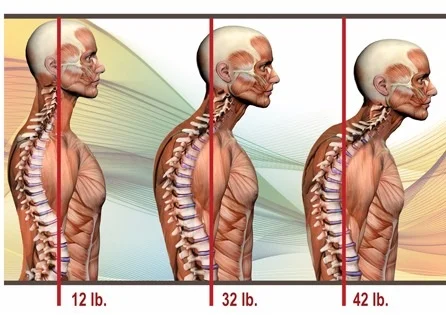
Neck and shoulder tension is often the first thing to lift. These muscles carry the strain of a forward head all day.
As alignment improves, they work less and relax more. Headaches that stem from neck tension can ease as a result.
Simple neck stretches between work tasks speed this along. Less tightness at the end of the day is a strong early sign.
Holding Good Posture for Longer
A clear mid-stage sign is endurance. Good posture starts to hold for longer before fatigue sets in.
Early on, sitting tall feels effortful and slips within minutes. Later, it holds for hours with much less conscious thought.
The chiropractors at Spine & Posture Care treat this growing endurance as a key marker of real change. It shows the supporting muscles are taking over.
A Stronger, More Stable Core and Back
Posture depends on the muscles that support the spine. As they strengthen, holding alignment becomes easier.
People often notice better balance and less fatigue during standing tasks. Lifting and bending start to feel more controlled.
Consistent posture correction exercises build this support over time. Rising strength is one of the most reliable signs of progress.
Better Sleep and Easier Breathing
Posture affects more than the back. Better alignment can improve sleep and breathing too.
A balanced spine takes pressure off the ribcage, so the lungs expand more freely. Many people report steadier energy through the day.
Gains in better sleep and alignment often follow daytime progress. Waking with less stiffness is a welcome sign.
Quick Reference: Signs Your Posture Correction Is Working
This table sums up the signs and when they tend to appear. Treat it as a general guide rather than a strict schedule.
| Sign | What It Looks Like | Typical Stage |
|---|---|---|
| Greater awareness | Catching and fixing slouching | Weeks 1 to 4 |
| Less tension | Looser neck and shoulders | Weeks 1 to 6 |
| Better endurance | Holding posture for longer | Months 1 to 3 |
| More strength | Easier standing and lifting | Months 1 to 3 |
| Better sleep | Waking with less stiffness | Months 1 to 3 |
| Natural alignment | Good posture without thinking | Months 3 and beyond |
Unsure whether the signs add up to real progress? A posture reassessment measures alignment objectively and tracks the change over time. Call (02) 8040 9922 or book a posture check online for a clear read on the results.
Signs Progress Has Stalled and What to Do
Not every plan moves in a straight line. Knowing the signs of a stall helps just as much as tracking progress.
Warning signs include no change after several weeks, returning pain, or posture that never holds. These usually point to a missing piece in the plan.
The team at Spine & Posture Care reviews technique, consistency and the original cause when progress slows. A small adjustment often restarts the momentum.
When to Check Progress With a Professional
Self-tracking has limits. A trained eye can measure alignment more accurately than a bathroom mirror.
A professional can confirm progress, spot hidden gaps and adjust the plan. This matters most when pain, numbness or weakness appears.
Australian health information from healthdirect explains how muscles support posture. A chiropractor adds hands-on assessment and a tailored review.
Conclusion
The signs your posture correction is working build gradually. Less tension, longer endurance, more strength and better sleep all point the right way. Steady progress matters far more than instant change.
The team at Spine & Posture Care helps Sydney patients read these signs and keep improving. Many are encouraged to learn that fixing posture as an adult is very achievable. Clear milestones, paired with expert guidance, keep the progress going.
Spine & Posture Care runs two Sydney CBD clinics, on Macquarie Street and at Barangaroo, open six days a week. Book a posture assessment through the contact page or call (02) 8040 9922 to measure progress properly. Clear milestones make good posture far easier to keep.
Frequently Asked Questions
1. How long before I start seeing signs that my posture is improving?
Most people notice the first signs within two to four weeks of consistent effort, though these early changes are usually subtle. The first thing to shift is often awareness, where you catch yourself slouching and correct it without thinking. Around the same time, tension in the neck, shoulders or upper back can begin to ease. What you will not see this early is posture that holds on its own, because the supporting muscles need more time to strengthen. Visible, lasting change generally takes longer, often two to six months depending on your starting point and how consistent you are. People with a mild, recent problem tend to progress faster than those undoing years of slouching. Daily habits make a big difference here, so regular exercises and frequent posture resets speed things up. If you see no change at all after four to six weeks of genuine effort, it is worth getting your technique and plan checked. Small corrections often unlock progress that has stalled.
2. What is the very first sign that posture correction is working?
The very first sign is usually heightened awareness of your own posture. Before any strength or structural change happens, your brain becomes more tuned in to how you are sitting and standing. You start to notice yourself slouching and straighten up automatically, often many times a day. This might feel minor, but it is an important foundation, because awareness drives the habit change that everything else builds on. Close behind it comes a reduction in muscle tension, especially across the neck and shoulders, since these areas take the most strain from poor posture. Many people also report feeling slightly less stiff at the end of a long day. These early wins are about comfort and habit rather than a dramatic visual change. They are easy to dismiss, but they signal that the process has started working. Tracking them, perhaps with a quick daily note, helps you stay motivated through the slower strengthening phase that follows in the weeks ahead.
3. My posture looks the same in the mirror. Does that mean it is not working?
No, the mirror is one of the least reliable ways to judge early progress. Posture correction often improves how your body feels and moves well before any obvious visual change appears. In the first weeks and months, the gains are mostly internal, such as less tension, better endurance and growing strength in the muscles that support your spine. These changes are real even when a quick glance in the mirror looks unchanged. Visual differences tend to lag behind, partly because you see yourself every day and partly because structural change is gradual. A better way to track progress is to notice how long you can sit tall before tiring, how your neck and shoulders feel at the end of the day, and whether daily tasks feel easier. Photos taken from the side every few weeks, in the same spot and lighting, are far more useful than a daily mirror check. If you want an objective measure, a professional posture assessment can track alignment accurately over time.
4. Can I tell if my posture is improving without seeing a professional?
Yes, you can track several reliable signs at home, although a professional check adds accuracy. The clearest self-tracked signs are comfort and endurance. Notice whether neck and shoulder tension is easing, whether you can hold good posture for longer before tiring, and whether standing and lifting feel more controlled. Better sleep and less morning stiffness are also good indicators. A simple method is to take side-on photos every two to four weeks in the same position and lighting, then compare them. Keeping a short weekly note of pain levels and how long you can sit tall gives you a useful record too. That said, self-tracking has limits. It is easy to misjudge your own alignment, and some changes are hard to see from the inside. If your progress seems to stall, if pain appears, or if you simply want a clear baseline, a professional assessment measures alignment objectively. Many people use a mix of home tracking and an occasional professional review for the best picture.
5. Why has my posture stopped improving after good early progress?
A plateau after early progress is common and usually fixable. Early gains often come quickly because awareness and reduced tension happen fast. The next phase, building real strength and lasting structural change, is slower and can feel like a stall. In many cases progress is still happening, just less visibly. Sometimes, though, a genuine plateau points to a missing piece. The most common causes are inconsistent exercises, the wrong exercises for your specific pattern, or an underlying joint or muscle issue that has not been addressed. Daily habits can also quietly undo your efforts, such as long hours at a poorly set up desk. To restart momentum, review your consistency first, then check that your exercises match your needs rather than being generic. If returning pain accompanies the stall, get it assessed promptly. A chiropractor can reassess your alignment, refine your program and identify anything holding you back. Often a small adjustment to technique, frequency or daily setup is enough to get progress moving again.
6. Is some muscle soreness a sign that posture correction is working?
Mild muscle soreness can be a normal and even positive sign, especially early on. When you start strengthening the muscles that support good posture, those muscles are being used in new ways. A light, dull ache similar to the feeling after gentle exercise is usually nothing to worry about and often settles within a day or two. It can simply mean the right muscles are finally being recruited. There is an important difference, though, between normal muscle soreness and pain. Sharp, severe or worsening pain is not a sign of progress and should not be pushed through. The same goes for any numbness, tingling or weakness, which need prompt assessment. If soreness lingers for more than a few days, or keeps returning in the same spot, your technique may need adjusting. A good rule is that gentle, short-lived soreness is usually fine, while persistent or sharp pain is a signal to slow down and get advice from a professional.